




Nigeria’s Electricity Tariff Freeze Signals Consumer Relief—but Sustainability Concerns Persist
- August 2, 2026
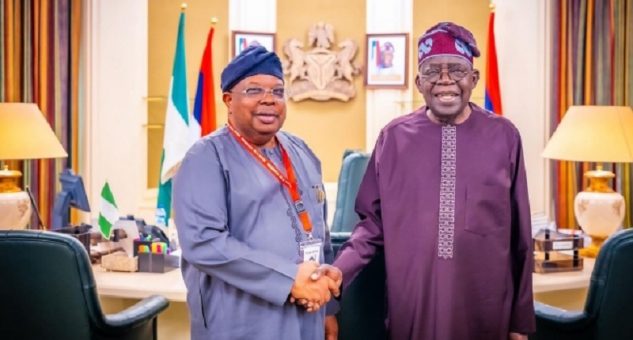
The Federal Government’s announcement that it has no immediate plans to increase electricity tariffs offers temporary relief to households and businesses already grappling with inflation and rising living costs.
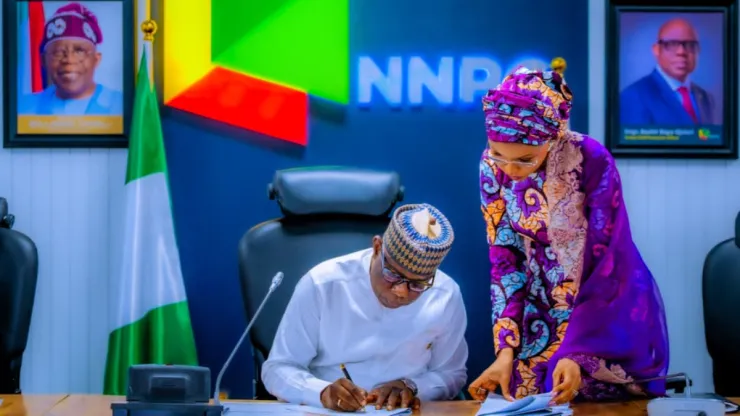
Speaking during a media interaction in Lagos, Minister of Power Joseph Tegbe dismissed reports of an imminent tariff review, insisting that the government’s immediate priority is expanding electricity access, improving grid reliability, and accelerating metering rather than raising prices.
For millions of Nigerians, the statement eases fears that another tariff adjustment would further squeeze disposable incomes. Yet beneath the reassurance lies a more complex reality: the country’s electricity sector remains financially fragile, and delaying tariff increases does not eliminate the underlying structural challenges.
Electricity tariffs remain one of Nigeria’s most politically sensitive policy issues. The government faces competing pressures, protecting consumers from rising costs while ensuring that electricity distribution companies (DisCos), generation companies (GenCos), and investors can operate in a financially viable market.
The minister’s assurance reflects an understanding that affordability is increasingly becoming a social issue. Inflation has significantly reduced purchasing power, making any immediate tariff increase politically difficult.
However, maintaining current tariffs without corresponding reforms raises questions about how the sector will finance needed investments in infrastructure, maintenance, and expansion.
Metering takes centre stage
One notable aspect of Tegbe’s announcement is the renewed emphasis on the Presidential Metering Initiative, which aims to accelerate universal metering across the country. According to the minister, consumers deserve transparency and should only pay for the electricity they actually consume.
Nigeria continues to suffer from a substantial metering deficit, leaving many customers on estimated billing, a long-standing source of consumer frustration and distrust. Expanding metering could improve revenue collection, reduce commercial losses, and strengthen public confidence without immediately resorting to higher tariffs. If implemented effectively, universal metering may prove to be one of the most impactful reforms in improving market efficiency.
Subsidy question remains
Although there will be no immediate tariff increase, the government’s broader policy direction suggests that difficult decisions have merely been postponed. During the same media engagement, Tegbe disclosed that the Federal Government intends to phase out electricity subsidies beginning in 2027 as part of efforts to restore financial sustainability to the power sector.
This announcement is significant because Nigeria’s electricity market continues to depend heavily on government intervention. Subsidies have helped cushion consumers but have also contributed to mounting debts owed across the electricity value chain.
The challenge for policymakers will be designing a transition that protects vulnerable consumers while ensuring that investors continue to view Nigeria’s electricity market as commercially viable.
Investor confidence depends on predictability
While consumers welcome tariff stability, investors are often more concerned with policy consistency than tariff levels alone.
The government’s commitment to improving grid reliability, strengthening the electricity market, and restoring investor confidence sends a positive signal. However, sustained investment will depend on whether reforms are implemented consistently and whether the market eventually becomes financially sustainable without excessive government intervention.
Uncertainty around future pricing, subsidy reforms, and market regulation can discourage long-term investment, particularly in generation and distribution infrastructure. Consumers consistently identify unreliable supply—not tariffs alone—as their primary concern. Businesses often spend more on diesel and alternative power sources than they do on grid electricity. In that context, reliable supply may matter more than whether tariffs remain unchanged.
Looking ahead
The government’s decision not to increase electricity tariffs provides short-term relief but should not be mistaken for a long-term solution. Nigeria’s electricity sector still faces fundamental questions about cost recovery, subsidy reform, infrastructure financing, and investor confidence.
For now, the administration appears to be prioritising service improvements before asking Nigerians to pay more. Whether this sequencing succeeds will depend on how quickly reforms translate into measurable improvements in electricity supply.
The coming months will reveal whether today’s tariff pause becomes a foundation for sustainable power sector reform or simply delays the difficult decisions that still lie ahead.