








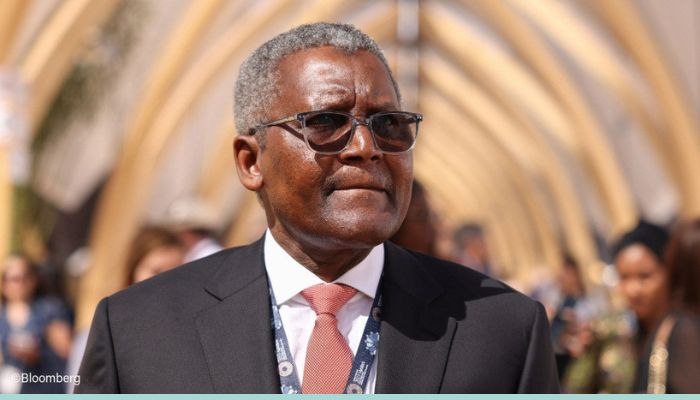


On Wednesday, 4 February, Bayo Ojulari, group chief executive officer of the Nigerian National Petroleum Company (NNPC) Limited, reopened a sensitive fault line in Nigeria’s energy sector as he spoke on the uneasy coexistence of private efficiency and public failure in domestic refining.
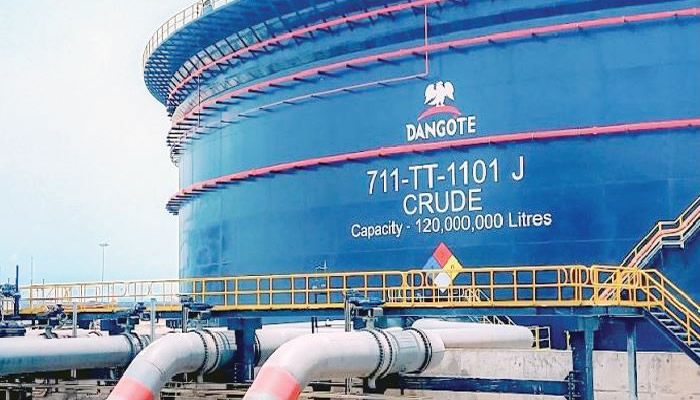
Speaking during a Fireside Chat on Securing Nigeria’s Energy Future at the Nigeria International Energy Summit (NIES) 2026 held in Abuja, Mr Ojulari urged Nigerians to “thank God for the Dangote refinery” because it offered a “breathing space” while state refineries were shut.
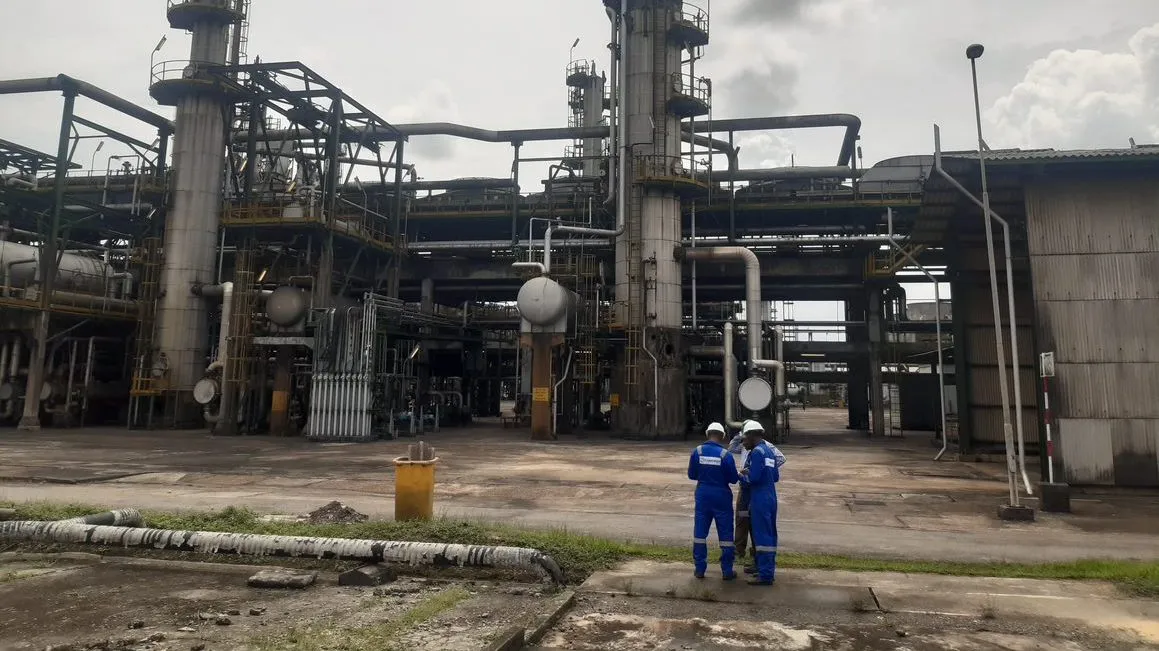
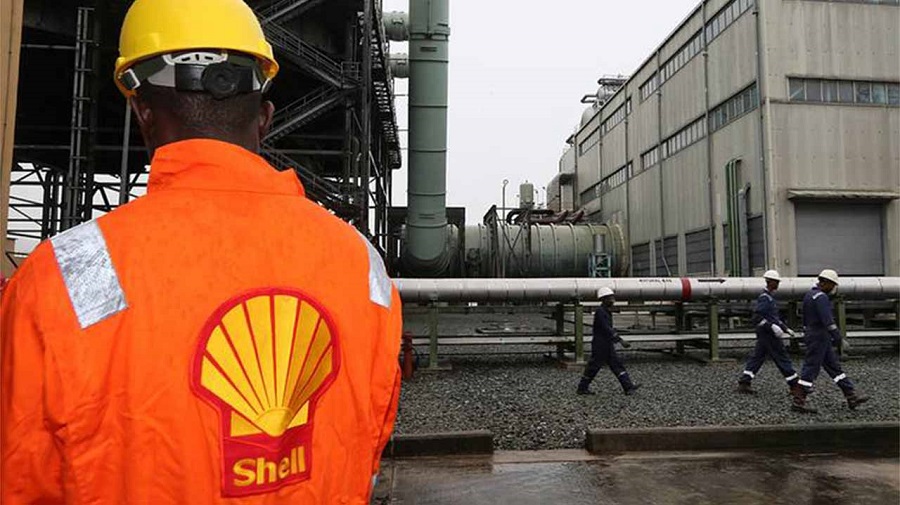
He added that Port Harcourt refinery was incurring “monumental losses” before it was shut down.
While the Petroleum Products Retail Outlets Owners Association of Nigeria (PETROAN) do not deny Dangote Refinery’s success, they object to they object to Mr Ojulari’s framing framing that the performance of a privately owned, profit-driven facility can justify, excuse, or normalise the failure of national assets held in trust for the Nigerian people.
Dangote Refinery operates under commercial logic, efficiency, cost recovery, and shareholder value. NNPC, despite its transition into a limited liability company, still manages assets built with public funds and backed by national expectations of energy security, job creation, and price stability.
PETROAN’s argument, in a statement by Joseph Obele, the national public relations officer (PRO), is that one cannot be a substitute for the other without eroding the very idea of public accountability.
Mr Ojulari’s assertion that the Port Harcourt refinery was incurring “monumental losses” before its shutdown reflects a long-standing reality, as Nigeria’s refineries have historically operated far below capacity, hemorrhaging funds while relying on imported fuel.
PETROAN warns that repeated public admissions of failure without an accompanying roadmap for reform risk doing more harm than good. In a capital-intensive industry where confidence is everything, such statements could unsettle investors, weaken Nigeria’s energy security narrative, and undermine years of policy efforts aimed at boosting domestic refining.
More troubling for PETROAN is Mr Ojulari’s suggestion that there is no urgency to restart the Port Harcourt Refinery because Dangote currently meets Nigeria’s fuel needs. From an energy policy perspective, this raises red flags.
Overreliance on a single major refinery regardless of its scale or efficiency introduces concentration risk into the supply chain. Energy security, by definition, thrives on redundancy, diversity, and resilience.
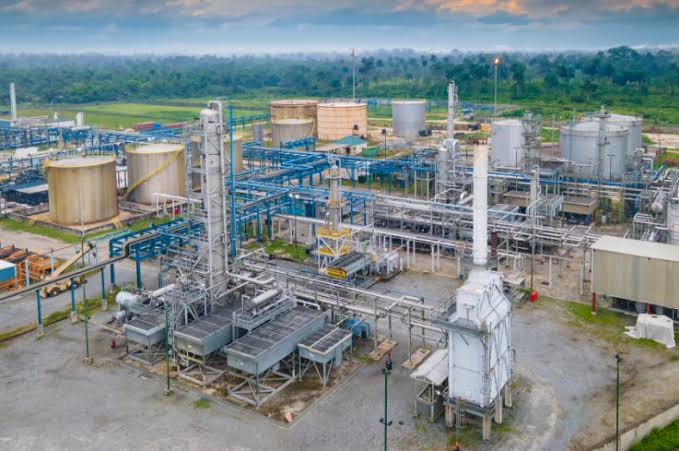
There is also the technical reality, as PETROAN warns that prolonged shutdown after heavy rehabilitation spending could lead to rust, corrosion, and equipment degradation, potentially wiping out billions of naira already invested. In refinery operations, idle assets deteriorate quickly, turning delays into irreversible losses.
The association’s threat to mobilise civil society and explore legal avenues to demand Mr Ojulari’s removal if the Port Harcourt Refinery does not resume operations by March 2026, significantly escalates the matter.
It transforms what might have been a war of words into a looming governance test for NNPC’s leadership and for the federal government’s oversight of the company.
Beyond personalities, the dispute exposes a deeper policy dilemma. Nigeria’s gradual shift toward private-sector-led energy solutions has delivered results, but it has also made the failures of public institutions more visible and less defensible.
Admitting failure, as PETROAN notes, is only meaningful when followed by accountability, reform, and credible prevention of recurrence.
The controversy is not about choosing between Dangote and Port Harcourt. It is about whether Nigeria can celebrate private-sector success without surrendering its responsibility to fix public-sector collapse.
For an oil-producing nation still grappling with fuel scarcity narratives, subsidy legacies, and refining shortfalls, that question may prove far more consequential than the fate of any single refinery. EFA