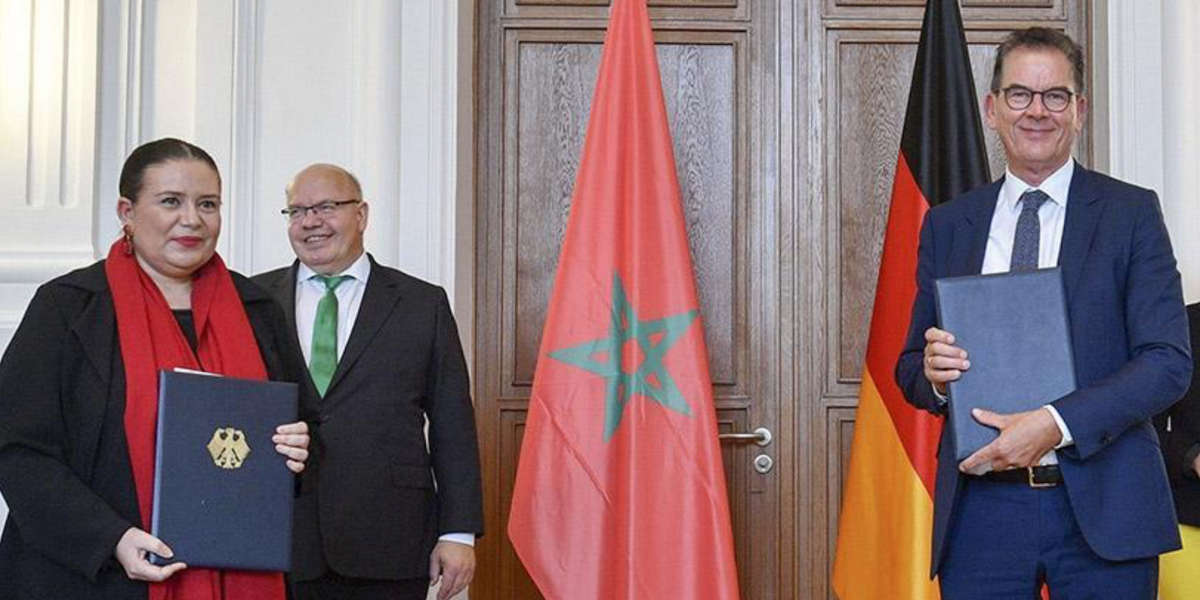
A planned $30 billion renewable energy link between Morocco and Germany has stalled amid disagreements over government guarantees, the structure of the project and whether electricity should flow in both directions, according to a Reuters report.
The Sila Atlantik project proposes connecting the two countries through two high-voltage subsea cables stretching approximately 4,800 kilometres, which would make it the world’s longest intercontinental undersea electricity link.
The cables would be supplied by as much as 15 gigawatts of solar and wind power generated in Morocco and could meet up to 5% of Germany’s annual electricity demand.
However, Moroccan authorities want Berlin to formally endorse an intergovernmental agreement that would provide long-term state backing for the project, four Moroccan and German sources familiar with the discussions told Reuters.
Morocco is also pushing for a two-way connection that would allow it to import electricity from Germany when necessary, rather than a system designed solely to export Moroccan renewable energy to Europe.
One German source said a bidirectional link was technically possible but would increase the project’s cost.
The disagreement reflects broader questions over how responsibility, risk and long-term energy security would be shared between the two countries. Without formal government commitments, Morocco appears reluctant to allocate land and other resources required for the project.
Authorities had previously pledged about 150,000 hectares in the southern Guelmim-Oued Noun region for Xlinks, an earlier proposal to transport Moroccan renewable electricity to the United Kingdom.
That project collapsed last year. Sila Atlantik, a German company established to develop the Morocco-Germany link, emerged afterward but has not yet secured approval for the same land allocation, a senior regional official told Reuters.
Sila Atlantik said the project was progressing according to its technical, commercial, regulatory and financial plans, but did not directly address questions about the reported disagreements.
“The project continues to assess the technical and regulatory options that will best support its long-term development,” the company said.
Morocco’s Energy Ministry did not respond directly to questions about the negotiations but said regional integration remained a central part of the country’s energy-transition strategy and pointed to plans to strengthen electricity connections with other European countries.
Morocco currently operates Africa’s only electricity interconnection with Europe through Spain. That connection played an important role in supporting Spain during a major power outage last year.