



Nigeria–IEA Gas Pact Signals Shift Toward Methane Accountability, Clean Cooking Expansion
- February 18, 2026
Nigeria’s decision to formalise cooperation with the International Energy Agency (IEA) marks more than a diplomatic milestone. It signals a recalibration of the country’s gas strategy at a time of mounting climate scrutiny, fiscal pressure and domestic energy access gaps.
The Federal Government on Tuesday signed a Memorandum of Understanding (MoU) with the Paris-based agency to deepen collaboration on methane emissions reduction, gas development, clean cooking access and technical support. The agreement, signed at the IEA headquarters in Paris, was disclosed in a statement by Louis Ibah, spokesperson to the Minister of State for Petroleum Resources (Gas).
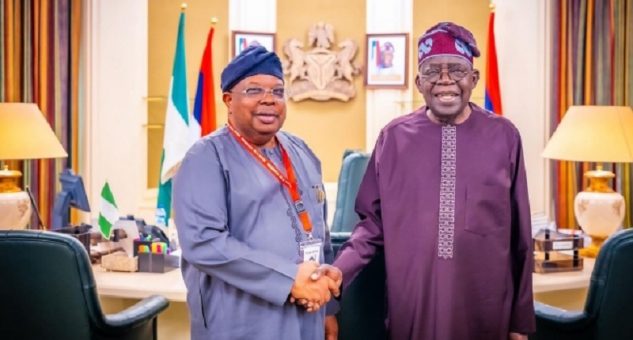
At the signing ceremony, the Minister of State for Petroleum Resources (Gas), Ekperikpe Ekpo, described the MoU as a strategic framework to improve efficiency, strengthen governance and align Nigeria’s petroleum industry with global best practices.
“This MoU marks an important milestone in our collective efforts to advance the Nigerian petroleum sector in a manner that is efficient, sustainable and aligned with global standards,” Mr Ekpo said.
Methane reduction
At the heart of the agreement is methane, a potent greenhouse gas increasingly targeted in global climate policy. Though methane is the primary component of natural gas and a valuable energy resource, it is also more than 28 times more effective than carbon dioxide at trapping heat over a 100-year period.
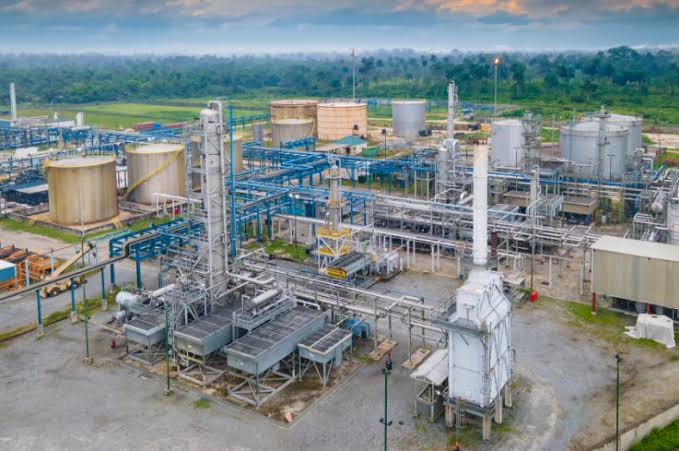
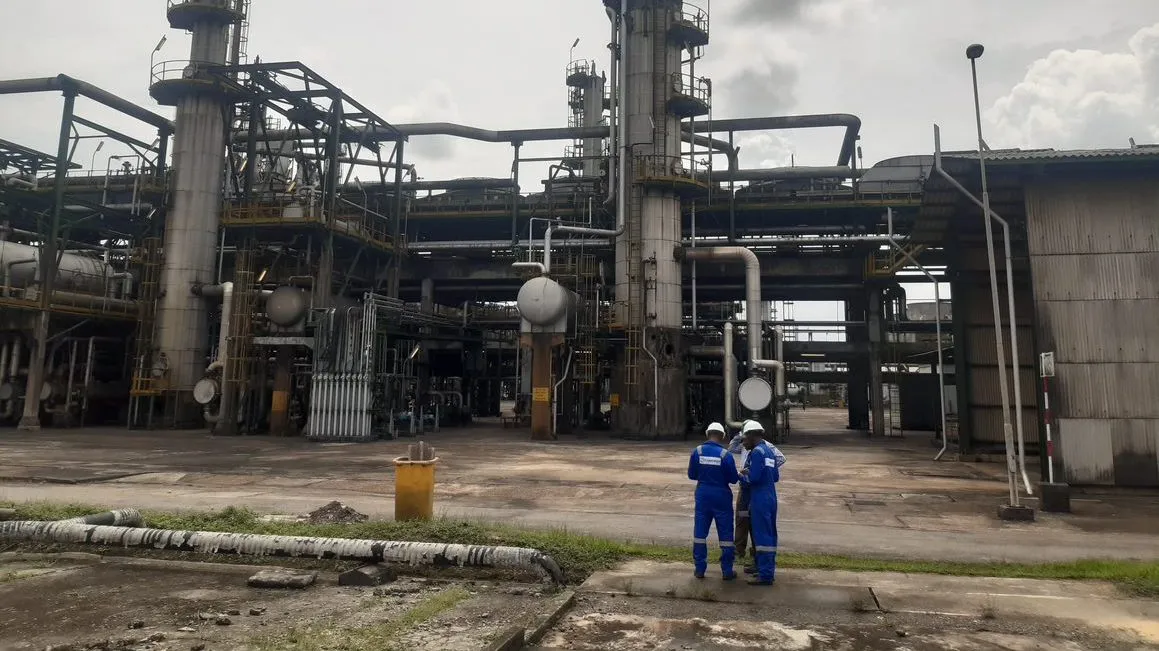
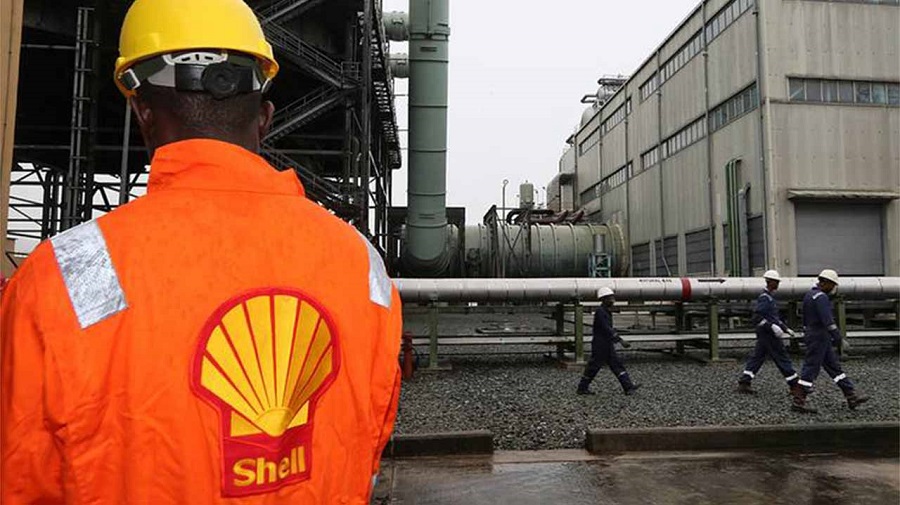
For Nigeria, methane emissions have long been a structural weakness within its oil and gas value chain. According to previous IEA assessments, emissions stem largely from intentional venting, inefficient flaring and fugitive leaks from ageing infrastructure. In 2023, the agency estimated that Nigeria’s upstream methane intensity was roughly double the global industry average.
The IEA has also calculated that approximately 67 per cent of Nigeria’s methane emissions could be avoided at no net cost if captured gas were commercialised rather than wasted. This finding has profound implications for both climate and revenue policy: it suggests that methane mitigation is not merely an environmental obligation but a commercially rational strategy.
Under its Nationally Determined Contributions (NDCs) to the UN climate framework, Nigeria has pledged to reduce methane emissions and end routine gas flaring by 2030, alongside a 60 per cent reduction in fugitive methane emissions by 2031. The MoU provides a technical backbone to those commitments, potentially strengthening data transparency, regulatory enforcement and project bankability.
IEA Executive Director Fatih Birol, who represented the agency at the ceremony, commended Nigeria’s stated commitment to methane reduction and expanded clean cooking access, underscoring growing international expectations for measurable progress.
Clean cooking and domestic gas utilisation
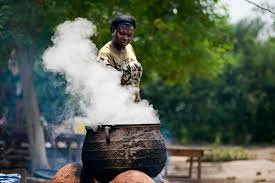
Beyond methane abatement, the agreement places significant emphasis on clean cooking — a politically and socially sensitive issue in Nigeria, where millions of households still rely on biomass fuels such as firewood and charcoal.
Mr Ekpo reiterated that the administration of President Bola Ahmed Tinubu is targeting five million households for Liquefied Petroleum Gas (LPG) adoption by 2030. Expanding LPG access aligns with Nigeria’s “Decade of Gas” policy, aimed at leveraging domestic gas reserves to drive industrialisation, reduce energy poverty and cut emissions from traditional fuels.
However, scaling LPG penetration will require more than policy intent. Persistent challenges include high cylinder costs, limited rural distribution networks, foreign exchange constraints affecting import parity pricing, and infrastructure bottlenecks in storage and transportation. Technical collaboration with the IEA may improve planning models and financing structures, but implementation will depend on regulatory stability and sustained investment.
Data transparency
The MoU also covers policy and analytical support, institutional capacity building and data sharing — areas that could significantly enhance Nigeria’s regulatory credibility. Since the enactment of the Petroleum Industry Act (PIA), the government has introduced upstream, midstream and downstream methane regulations, yet enforcement consistency remains a concern.
Civil society organisations operating in Nigeria and across Africa have recently called for stronger laws and stricter enforcement to address persistent methane leaks, particularly in Niger Delta communities where environmental degradation and health risks remain acute. Their position is that methane reduction is technologically feasible and economically viable, especially where captured gas can be monetised.
The IEA partnership may therefore serve as an external accountability mechanism, helping Nigeria benchmark its methane intensity against global standards and strengthen monitoring frameworks.
The agreement comes at a delicate juncture for Nigeria’s energy policy. On one hand, the country seeks to maximise hydrocarbon revenues to stabilise public finances and attract upstream investment. On the other hand, it must demonstrate climate responsibility to maintain access to international capital markets increasingly governed by Environmental, Social and Governance (ESG) criteria. EFA.