








As IOCs Move Offshore, Nigerian Firms acquire $15bn Oil Assets
- September 19, 2026
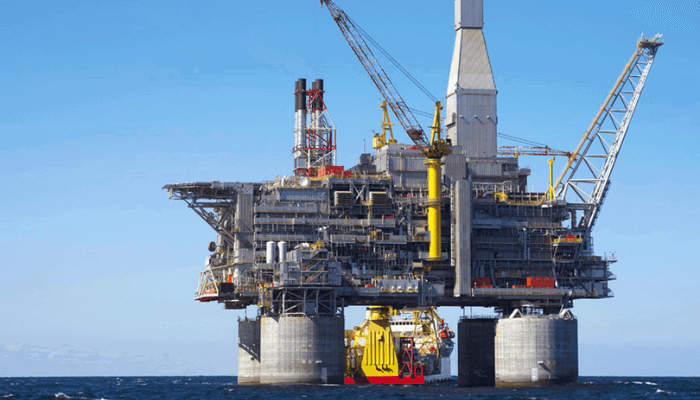
Nigerian oil and gas companies acquired more than $15 billion worth of assets from international oil companies between 2010 and 2025, as global producers increasingly shifted capital away from Nigeria’s onshore fields toward deepwater operations, according to a new industry report.
The figure is contained in a report titled Board Games: White Knights and Dark Strategies at Seplat Energy, published by The Debriefing, a corporate research publication.
The report, authored by Obiora Onyeaso, managing director of Podhium, examines the transfer of oil assets from international majors to indigenous Nigerian operators, using Seplat Energy’s growth as a case study.
The report said the asset transfers marked a significant change in the structure of Nigeria’s upstream petroleum industry, with local companies taking greater control of producing fields previously operated by multinational producers.
International oil companies have increasingly focused their Nigerian portfolios on deepwater and other projects that offer longer-term production opportunities, while selling some mature onshore and shallow-water assets.
The trend has created opportunities for Nigerian companies to expand their reserves and production capacity through acquisitions.
One of the most prominent examples is Seplat Energy, which has expanded substantially through acquisitions of assets previously held by international oil companies.
Another major transaction was Shell’s sale of its Nigerian onshore subsidiary, the Shell Petroleum Development Company of Nigeria, to Renaissance Africa Energy in a deal completed in 2025. Renaissance is a consortium comprising ND Western, Aradel Energy, First E&P, Waltersmith and Petrolin.
The divestment trend has also involved other major producers.
TotalEnergies, for instance, has sold or agreed to sell interests in several Nigerian assets as part of efforts to reshape its upstream portfolio. In January 2026, the company announced the sale of its 10% non-operated interest in the Renaissance joint venture to Vaaris for $800 million, subject to customary conditions and regulatory approvals.
The shift has coincided with increased government efforts to encourage indigenous participation in Nigeria’s petroleum industry.
Industry analysts have said the growing role of domestic producers could strengthen local ownership and control of the sector, although indigenous operators face challenges including access to capital, technical capacity, security risks and the need to maintain production from mature assets.
A recent industry analysis by Chambers and Partners similarly identified a continuing pattern of international oil companies divesting high-risk onshore and shallow-water assets while Nigerian companies seek to consolidate upstream assets.
At the same time, international companies continue to participate in major deepwater developments. Shell, Eni and other partners are advancing the Bonga South West/Aparo project, which Nigeria’s state oil company estimates could attract about $15 billion in investment.
The changing ownership structure therefore does not represent a wholesale withdrawal of international oil companies from Nigeria, but a reconfiguration of their portfolios, with indigenous companies increasingly assuming ownership and operatorship of mature assets while international producers concentrate more heavily on selected deepwater projects.