



Will Shell, Chevron Deal Revive Falling Oil Output in Ghana?
- September 3, 2026

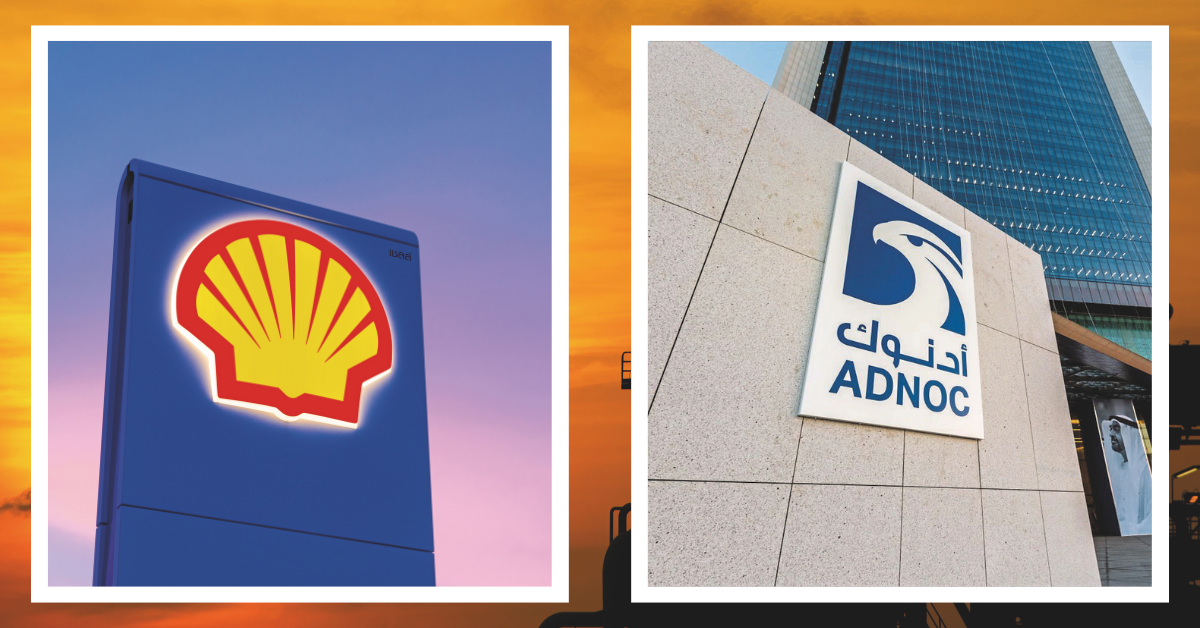
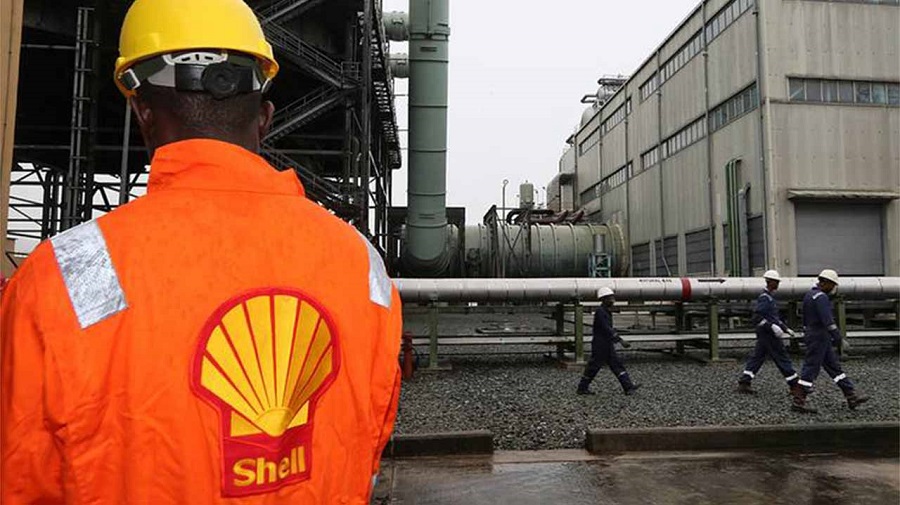
Shell and Chevron have signed a preliminary agreement to acquire exploration and production rights over Ghana’s South Deepwater Tano Cape Three Points oil and gas block, giving Accra an early test of whether its push to revive upstream investment can help reverse a sustained decline in crude output.
The non-binding memorandum of understanding involves Shell Overseas Holding Limited, Chevron Sub Saharan African Ventures Ltd., the Ghanaian government and GNPC Exploration and Production Limited. The MoU also provides a framework for further negotiations over final licence terms and remains subject to regulatory approvals.
The agreement comes as Ghana tries to arrest a production slide that has gathered pace since crude output peaked at 71.44 million barrels in 2019. By 2024, production had fallen to 48.25 million barrels, according to the US International Trade Administration, increasing pressure on the government to attract fresh exploration capital and replenish the country’s longer-term project pipeline.
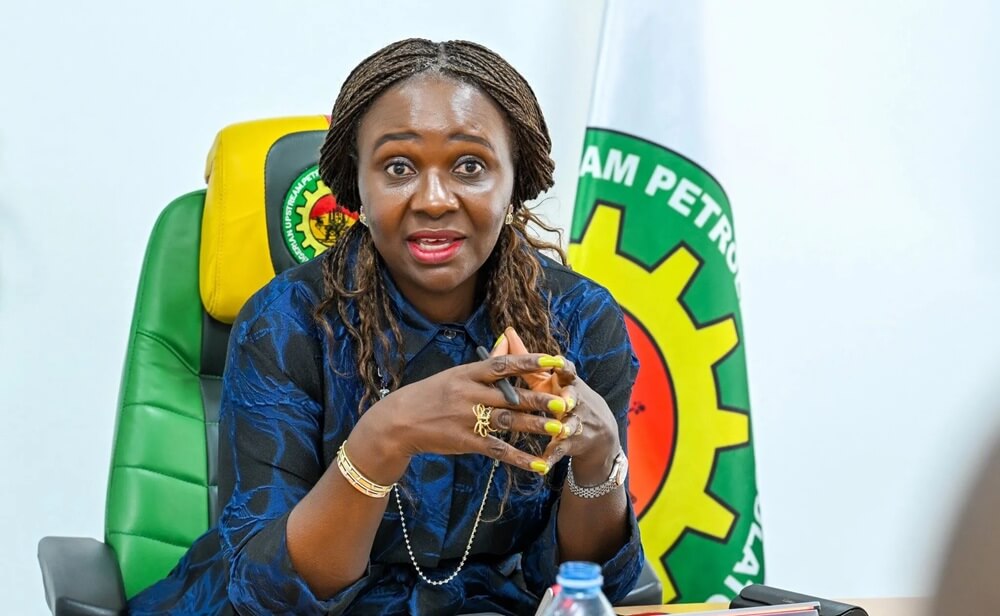
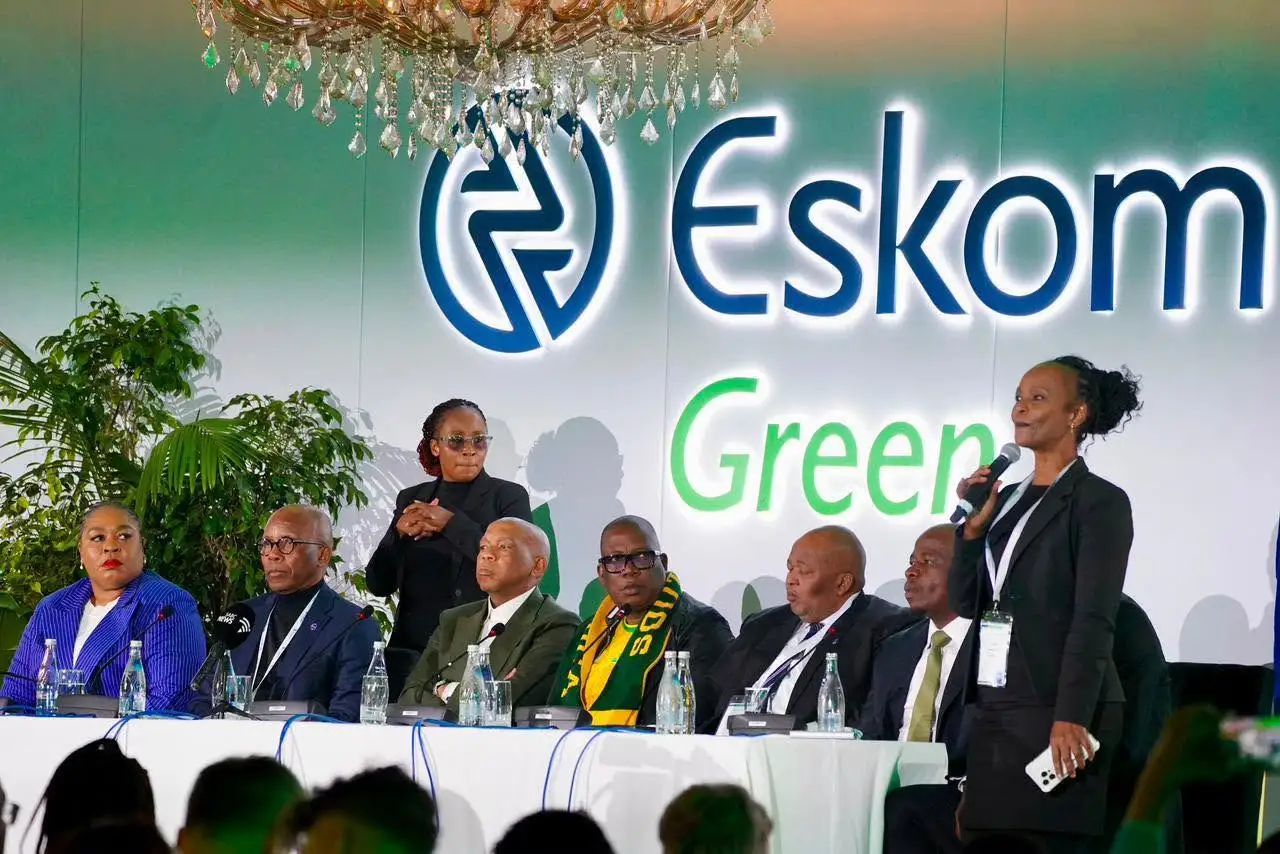
Energy and Green Transition Minister Dr John Abdulai Jinapor has presented the Shell-Chevron agreement as a sign that renewed investor interest is beginning to emerge.
Speaking at Ghana Day at Africa Oil Week 2026, Jinapor said the deal demonstrated the potential for partnerships between the government, international oil companies and the Ghana National Petroleum Corporation to unlock new opportunities in the upstream sector.
“Ghana is open for investment, we are improving the environment for investors, and we are ready to work with partners who share our vision of creating lasting value,” Jinapor said.
The government is simultaneously reviewing the legal and fiscal framework governing upstream petroleum activities as it seeks to make Ghana more competitive for international capital.
Among the reforms under consideration is a reduction in GNPC’s initial carried interest in upstream projects from 15% to 10%. The government is also proposing a simpler tax regime and differentiated royalty treatment based on water depth.
Those changes matter because the Shell-Chevron agreement is still only an expression of interest. Whether it progresses to a final petroleum agreement and, ultimately, drilling will depend in part on the commercial terms Ghana offers.
Shell said the memorandum establishes a framework for further negotiations over final licence terms. Chevron said it was “constantly reviewing new global exploration opportunities”.
For Ghana, the immediate challenge is not simply sustaining output from existing fields but ensuring there are enough new projects to support production over the longer term.
Investment is already expected at the Jubilee and TEN fields, where Kosmos Energy and partners including Tullow Oil have announced plans that could support the drilling of as many as 20 new wells and bolster near-term oil and gas output.
But fresh exploration by Shell and Chevron would serve a different purpose. It could expand Ghana’s future reserve base and provide an indication that the government’s attempt to improve investment conditions is capable of drawing major international oil companies back into new acreage.