



What ADNOC-Shell Deal Means for GCC Energy Investment in Africa
- July 17, 2026
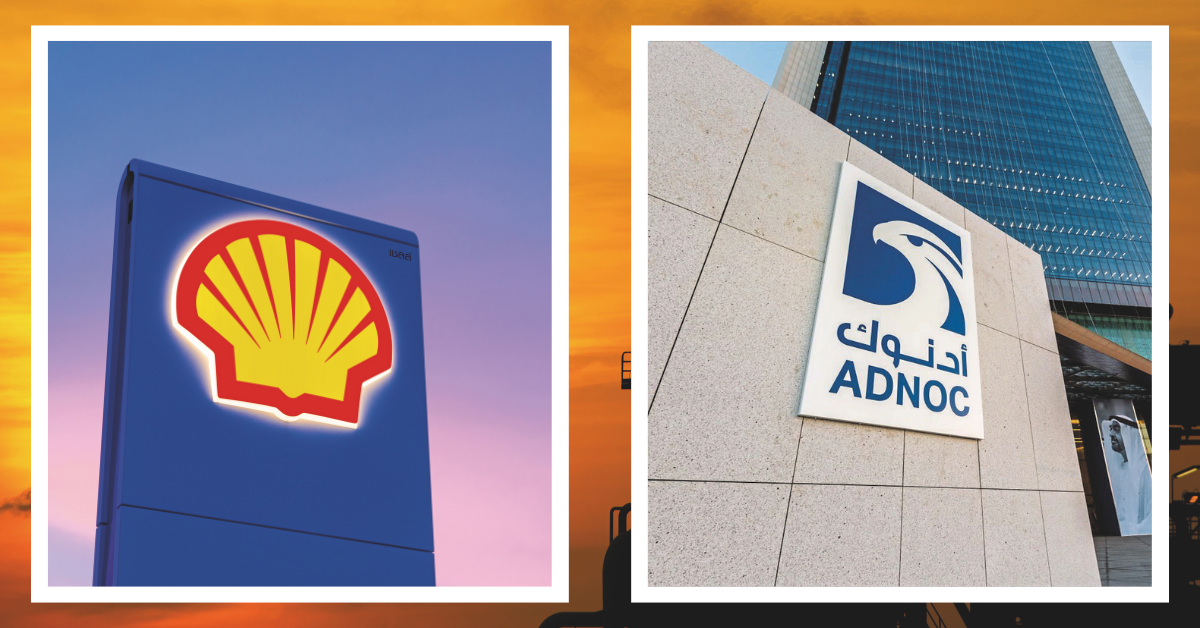
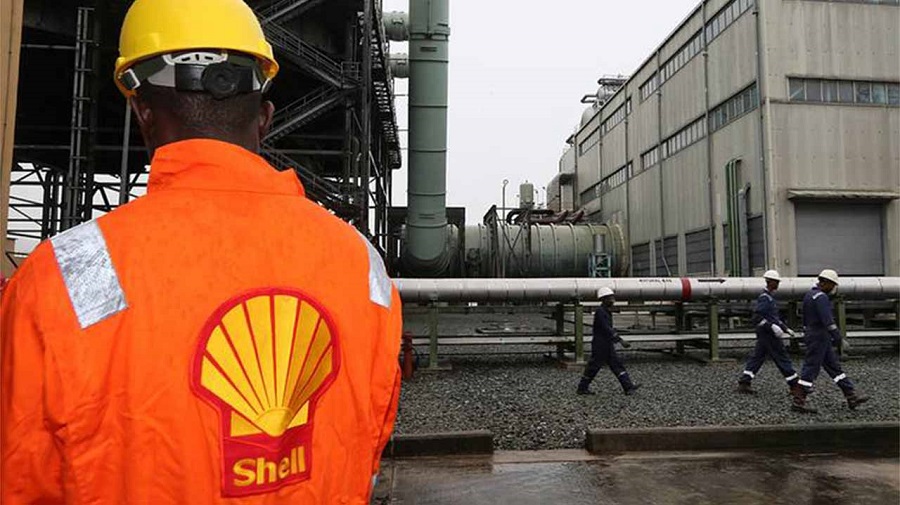
Abu Dhabi National Oil Company (ADNOC) Distribution emerged victorious from a competitive bidding process for Shell’s South African downstream business, fending off interest that had at various stages included Saudi Aramco and commodity trader Gunvor, Glencore, Puma Energy and local energy groups.
The $1 billion acquisition is arguably the strongest signal yet that Gulf energy companies are positioning themselves as Africa’s next generation of strategic energy investors.
The deal hands ADNOC control of approximately 580 fuel stations, aviation fuelling operations, lubricants, marine fuels and commercial fuel businesses in South Africa, giving the UAE company an immediate foothold in Africa’s most sophisticated downstream fuel market. It also marks ADNOC Distribution’s biggest international acquisition and its most significant expansion into sub-Saharan Africa.
What makes the transaction particularly noteworthy is not simply its size, but what it says about the changing balance of power in Africa’s energy sector. As Western oil majors such as Shell rationalise portfolios and focus capital on higher-return upstream projects, LNG and low-carbon investments, Gulf national oil companies are increasingly stepping in to acquire infrastructure with long-term strategic value.
De-risking while expanding influence
The Gulf’s growing appetite for African energy assets reflects both commercial and geopolitical calculations.
From a commercial perspective, investing abroad helps Gulf producers diversify away from overdependence on domestic hydrocarbon production. While countries such as the UAE and Saudi Arabia remain among the world’s lowest-cost oil producers, their national energy companies are seeking new revenue streams that are less vulnerable to oil-price volatility.
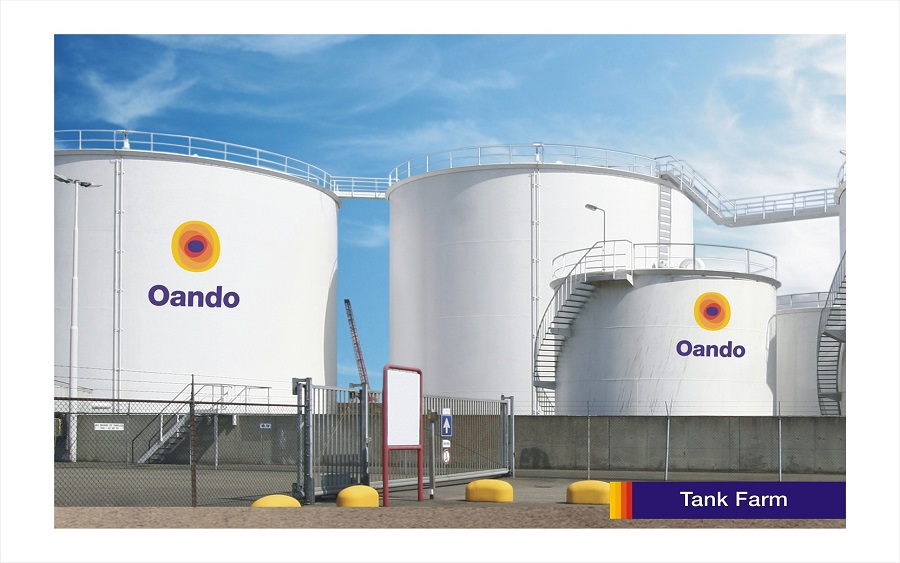
Downstream businesses—including fuel retail, storage, logistics and aviation fuelling—generate relatively stable cash flows because they are linked to consumer demand rather than crude production. Acquiring existing businesses also avoids the risks associated with developing entirely new infrastructure.
Africa strengthens that investment case. The continent’s fast-growing population, expanding middle class, increasing vehicle ownership and industrialisation mean demand for transport fuels and energy infrastructure is expected to remain resilient for decades, even as developed markets accelerate electric vehicle adoption.
Beyond financial returns, these investments extend Gulf influence across Africa’s strategic economy. Ownership of energy infrastructure creates enduring commercial relationships with governments, industries and consumers, complementing Gulf investments in ports, logistics, aviation, mining and food security.
Continental pattern
ADNOC’s acquisition is not an isolated move but part of an expanding Gulf footprint across African energy markets.
Egypt has become one of the UAE’s most important investment destinations. ADNOC has expanded its fuel retail business there, while Masdar has invested heavily in renewable energy projects and green hydrogen initiatives. Mubadala has also maintained energy investments in the country.
Mozambique has attracted Gulf interest through its vast LNG reserves. Abu Dhabi and Qatar have explored investment opportunities in gas infrastructure and financing linked to one of the world’s largest undeveloped LNG provinces.
Uganda selected UAE-based Alpha MBM Investments to develop the country’s planned crude oil refinery, a strategic project expected to complement the East African Crude Oil Pipeline and strengthen regional energy security.
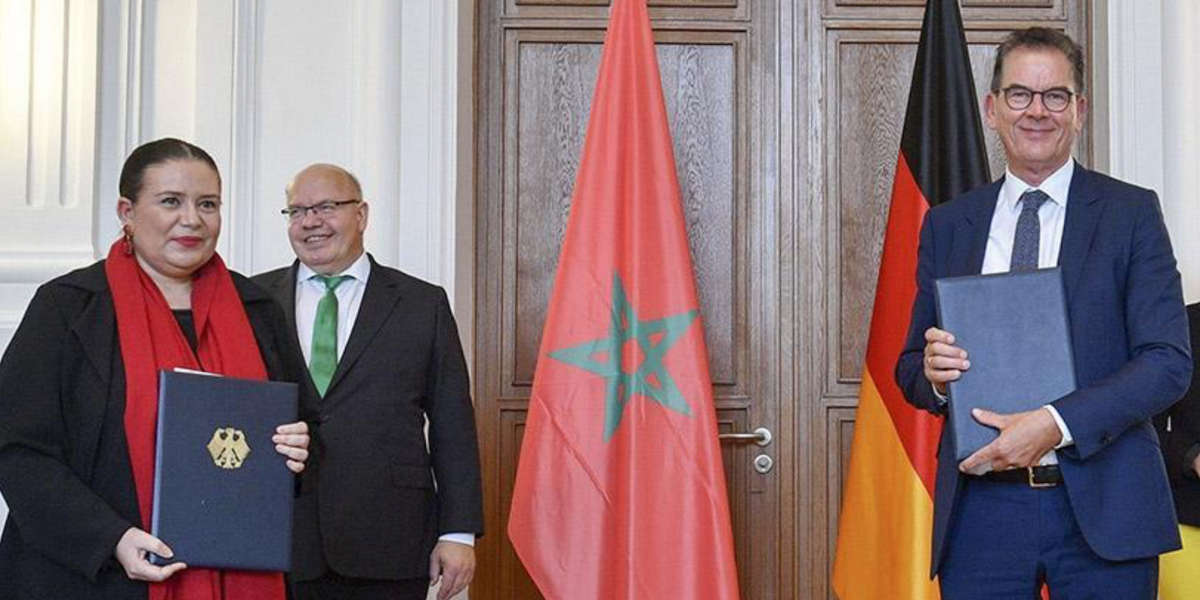
Morocco has become a major destination for Gulf renewable energy capital. UAE-backed TAQA is among investors pursuing green hydrogen and renewable power developments aimed at supplying both domestic and European markets.
Namibia has also attracted growing Gulf interest following recent offshore oil discoveries, with Gulf investors closely monitoring exploration opportunities alongside international oil companies.
Meanwhile, Saudi Arabia’s ACWA Power has steadily expanded renewable energy investments across countries including South Africa, Egypt, Morocco, Senegal and Uzbekistan, while QatarEnergy has been increasing its international upstream portfolio, including exploration acreage off Namibia.
Seen collectively, these investments suggest Gulf countries are no longer pursuing Africa opportunistically. Instead, they are assembling an integrated energy presence spanning oil, gas, renewables, refining, logistics and fuel retail.
For Africa, it signals a changing investment landscape. As European oil majors gradually reduce exposure to mature downstream businesses, Gulf state-backed companies—with abundant capital, long investment horizons and ambitions to become global energy champions—are increasingly filling the gap.