
















What Petrobras’ Entry Means for Namibia’s Oil Future
International oil majors continue to double down on exploration activities in Namibia but commercial production timelines remain uncertain and regulatory risks abound.
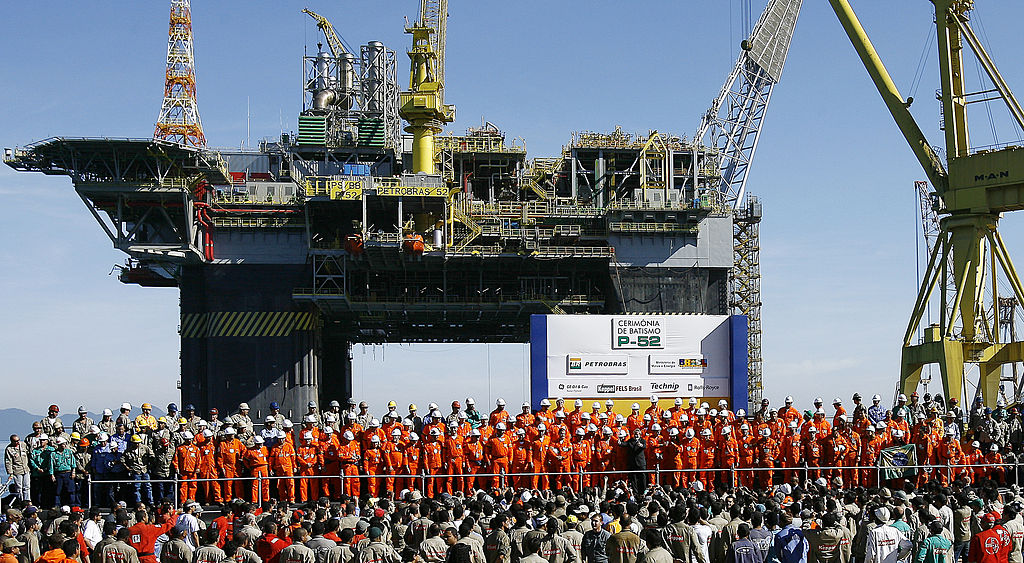
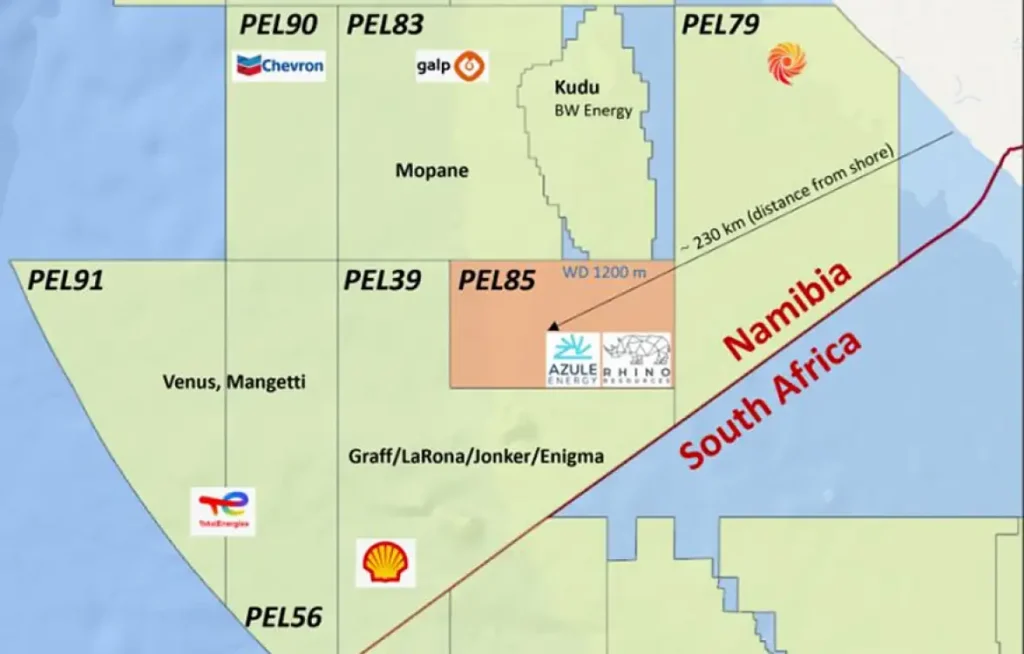
Petrobras is the latest entrant in Namibia, joining a growing list of international oil majors seeking to benefit from Namibia’s oil potential. The Brazilian state-owned company, through a partnership with TotalEnergies, will acquire a 42.5% stake in one of the country’s offshore blocks in the Lüderitz Basin, according to an announcement last week.
TotalEnergies is not new to the game, having played an active role in the country since the first major oil discoveries in 2022. Late last year, the French energy major announced a strategic partnership with Portuguese-owned Galp for a 40% operating stake in Namibia’s PEL 83 licence, which contains the significant Mopane oil discovery. The terms of the deal are mutually beneficial: TotalEnergies will cover 50% of Galp’s capital costs in PEL 83, while Galp gains interests in another project in the Orange Basin alongside TotalEnergies.
The entry of Petrobras adds another heavyweight to what is fast becoming one of the most closely watched offshore oil frontiers in the world.
For Namibia, the growing list of international investors signals confidence in the country’s geological promise, regulatory environment and political stability. For the companies involved, it represents a strategic bet on long-term reserves that could reshape regional energy dynamics.
Namibia’s offshore basins, particularly the Orange and Lüderitz basins, have attracted sustained interest since a wave of promising discoveries in 2022 ignited what many analysts now describe as a new “oil race” along Africa’s southwest coast.
Although commercial production timelines remain uncertain, exploration results have been strong enough to justify continued capital inflows and joint ventures among global majors seeking to spread both risk and opportunity.
However, the influx of numerous exploration companies into a relatively young oil jurisdiction is not without risks. Already, the Ministry of Industries, Mines and Energy has kicked against the Petrobras-TotalEnergies deal, saying it was not notified of the developments until a few minutes before the public announcement.
“The government makes it clear that in accordance with the law, any transfer, assignment, or acquisition of participating interests in petroleum licenses in Namibia must obtain prior approval of the minister,” the official statement read.
The government has also commenced a move to amend the Petroleum (Exploration and Production) Act, which would establish a new Upstream Petroleum Unit under the presidency and modernise the sector’s legal framework.
Without strong oversight, Namibia faces challenges ranging from environmental compliance gaps and safety lapses to opaque contracting practices and uneven enforcement of standards.
There is also the broader economic risk of over-reliance on anticipated oil revenues before production is proven. If exploration results fall short of expectations or global oil prices shift unfavourably, governments may be left with ambitious fiscal projections unsupported by actual output.
For Namibians, the implications extend beyond potential oil output. Increased exploration activity can translate into infrastructure development, job creation and technology transfer, all of which could support economic diversification in a country historically reliant on mining and fishing.
Yet these benefits are not automatic. They depend largely on how proactively the government structures its policy framework, particularly local content regulations, to ensure domestic businesses, workers and service providers are integrated into the value chain rather than sidelined by multinational operators.
Clear thresholds for local employment, procurement, skills transfer and joint ventures with Namibian firms can reduce social friction, build domestic capacity and prevent the perception that national resources are being extracted without proportional local benefit. At the same time, such regulations must remain predictable and transparent to avoid deterring investors or creating compliance uncertainty. EFA