








US-Iran Escalation Renews Energy Security Concerns as Strait of Hormuz Tensions Return
- July 15, 2026
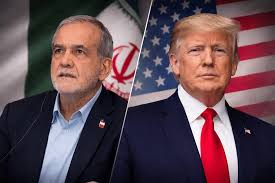
The renewed military confrontation between the United States and Iran has once again placed the Strait of Hormuz at the centre of global energy security concerns. Following a fresh wave of retaliatory strikes by Iran against US military assets and commercial shipping, Washington has reinstated its naval blockade targeting Iranian ports, marking a significant escalation in one of the world’s most strategically important energy corridors.
The Strait of Hormuz remains the world’s most critical maritime chokepoint for oil and liquefied natural gas (LNG) trade. Roughly one-fifth of globally traded crude oil and significant volumes of LNG from Qatar and the United Arab Emirates transit through the narrow waterway daily. Any disruption to shipping in the Strait immediately reverberates across international energy markets, affecting oil prices, freight costs, insurance premiums, and supply chain reliability.
The latest escalation follows Iran’s continued retaliatory attacks after renewed US military operations in the Gulf. In response, the United States announced the resumption of its blockade on Iranian ports while maintaining access for commercial vessels not engaged with Iran. Tehran, however, has warned that continued pressure could compel it to restrict regional energy exports and further interfere with maritime traffic through the Strait of Hormuz.
Although the blockade is officially directed at Iranian shipping rather than international maritime traffic, market participants remain concerned that military confrontation could inadvertently affect commercial vessels operating in the region. Shipping companies have already become more cautious, while insurers continue to reassess the security risks associated with transiting the Gulf. This uncertainty has contributed to higher shipping costs and increased volatility in global oil markets.
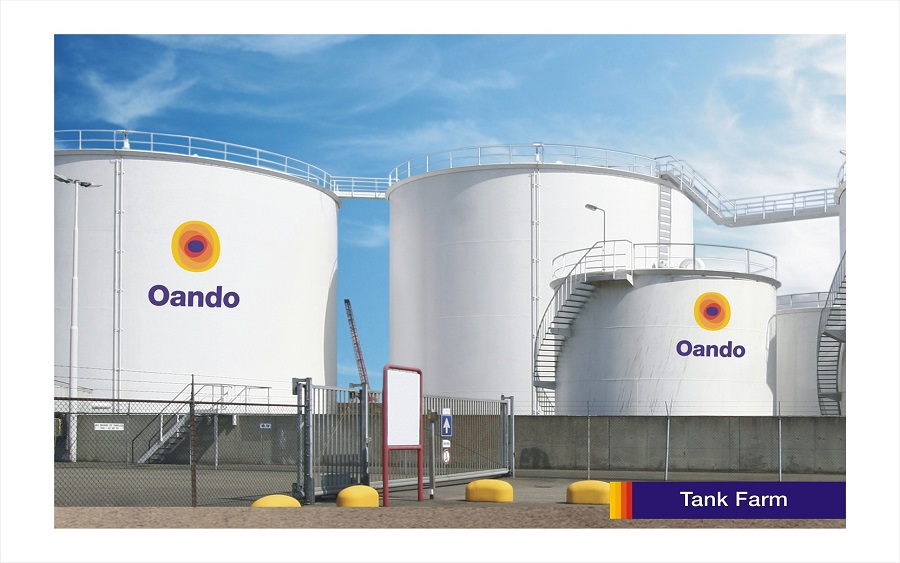
READ ALSO: Oando in deep financial, regulatory trouble over ₦3.8tn capital deficit
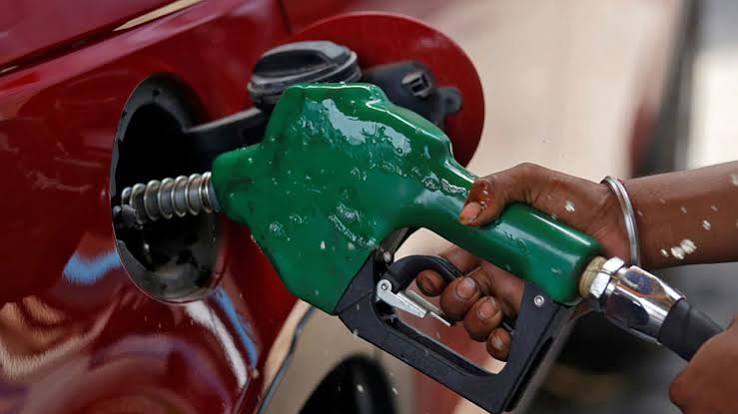
Energy markets reacted swiftly to the renewed tensions. International benchmark crude prices climbed as traders priced in the possibility of supply disruptions. Brent crude and West Texas Intermediate (WTI) both posted gains amid fears that a prolonged conflict could constrain exports from the Gulf, particularly if military activity expands beyond Iranian targets or if commercial navigation becomes increasingly hazardous.
For Africa, the implications are multifaceted. Higher global oil prices could temporarily benefit major crude exporters such as Nigeria, Angola, Algeria, and Libya through increased export revenues. However, these gains may be offset by higher fuel import costs for petroleum-importing African economies, increased inflationary pressures, and elevated shipping and insurance expenses. Countries that rely heavily on imported refined petroleum products may face renewed fiscal pressures should elevated oil prices persist.
Nigeria, despite being one of Africa’s largest oil producers, remains particularly vulnerable because of its continued dependence on imported refined petroleum products, although increased domestic refining capacity could help moderate some of these risks. Sustained geopolitical instability in the Gulf may also influence investment decisions within the global energy sector, potentially accelerating interest in alternative supply sources, including African oil and gas projects.
Beyond oil markets, the renewed crisis reinforces the importance of energy diversification and supply chain resilience. Governments and energy companies worldwide continue to reassess their exposure to geopolitical chokepoints, while strategic petroleum reserves, diversified import routes, and investments in renewable energy are increasingly viewed as essential components of long-term energy security.