















Airlines Face Disruption as Soaring Jet A1 Costs Squeeze Nigerian Carriers
- September 30, 2026
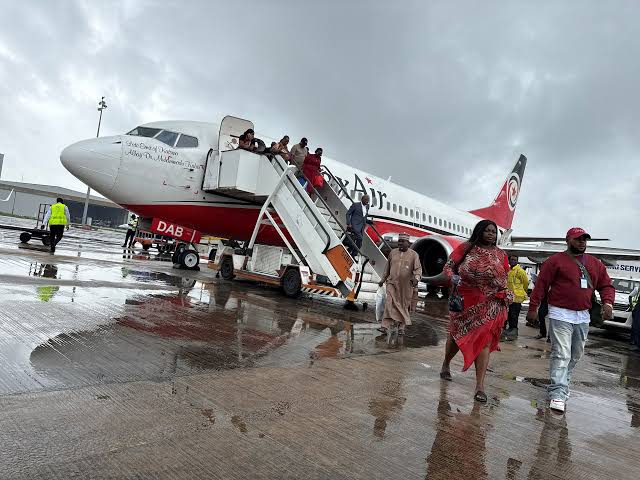
Nigerian airlines are facing renewed operational pressure as the high cost of aviation fuel, coupled with outstanding debts to fuel marketers, threatens to disrupt flight schedules and increase operating costs across the sector.
Recent flight disruptions, particularly in Abuja, have been linked to difficulties in accessing Jet A1 aviation fuel, with airline operators and industry sources offering differing accounts of whether the problem is availability or the ability of carriers to pay prevailing market prices.
Air Peace said the initial delays to its Abuja operations were caused by the unavailability of Jet A1, adding that the situation affected other airlines operating from the airport.
The airline said its affected flights resumed after fuel became available, although its Abuja-Maiduguri service was subsequently cancelled because of weather and operating-hour restrictions at Maiduguri Airport.
However, fuel marketers told Punch that aviation fuel was available but that some airlines had outstanding debts running into millions of naira, making continued supply difficult.
An airline source said Jet A1 was selling for about ₦2,130 per litre in Lagos and Abuja, while prices at airports outside the two major aviation hubs ranged between ₦2,180 and ₦2,230 per litre, depending on location.
The high fuel price is particularly significant for indigenous carriers because much of their revenue is generated in naira, while several components of their operating costs are either denominated in dollars or closely linked to foreign exchange movements.
Aero Contractors Managing Director Ado Sanusi also disputed reports of a general Jet A1 shortage, saying the emergence of the Dangote refinery had improved local availability.
Sanusi put the current Jet A1 price at about ₦2,000 per litre in Lagos, with prices approximately ₦100 higher outside Lagos. He identified the cost of the product, rather than its availability, as the major challenge facing operators.
The development shows the continuing vulnerability of Nigeria’s aviation sector to energy costs. Jet fuel represents one of the largest variable expenses for airlines, meaning sustained increases can translate into higher fares, reduced route viability, schedule adjustments and pressure on airline finances.
Nigeria has already experienced severe aviation-fuel pressures this year. In April, airlines warned of possible suspension of operations after reporting that Jet A1 prices had risen by about 270% since late February. The Federal Government subsequently moved to cap aviation-fuel prices within specified ranges and allowed airlines to access supplies on credit as part of measures to avert further disruptions.
The current situation therefore comes against a broader backdrop of efforts to strengthen domestic refining and reduce Nigeria’s exposure to imported petroleum products.
For the aviation sector, increased domestic production can improve physical availability of Jet A1, but the latest disruption illustrates that availability alone does not guarantee affordability. Airlines must still contend with refinery pricing, distribution costs, foreign-exchange pressures, liquidity constraints and outstanding obligations to marketers.
The immediate concern for operators is whether fuel prices can remain at levels that allow airlines to maintain commercially viable routes without passing the full burden to passengers.