




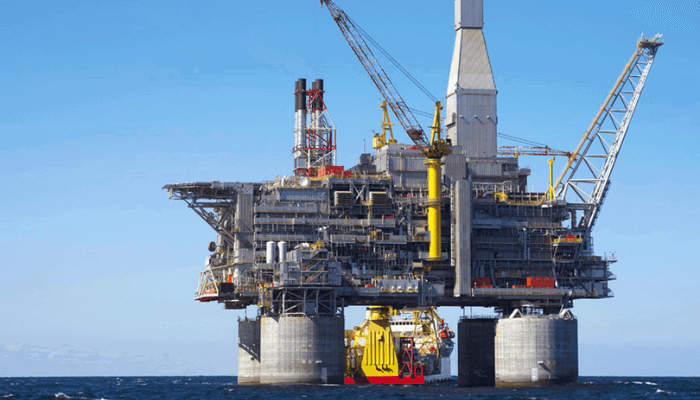
“We’re ready to face legal battles over fuel imports” – Dangote
- September 30, 2026
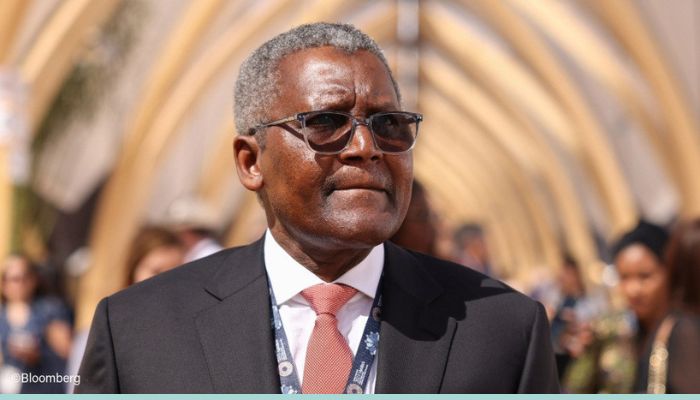
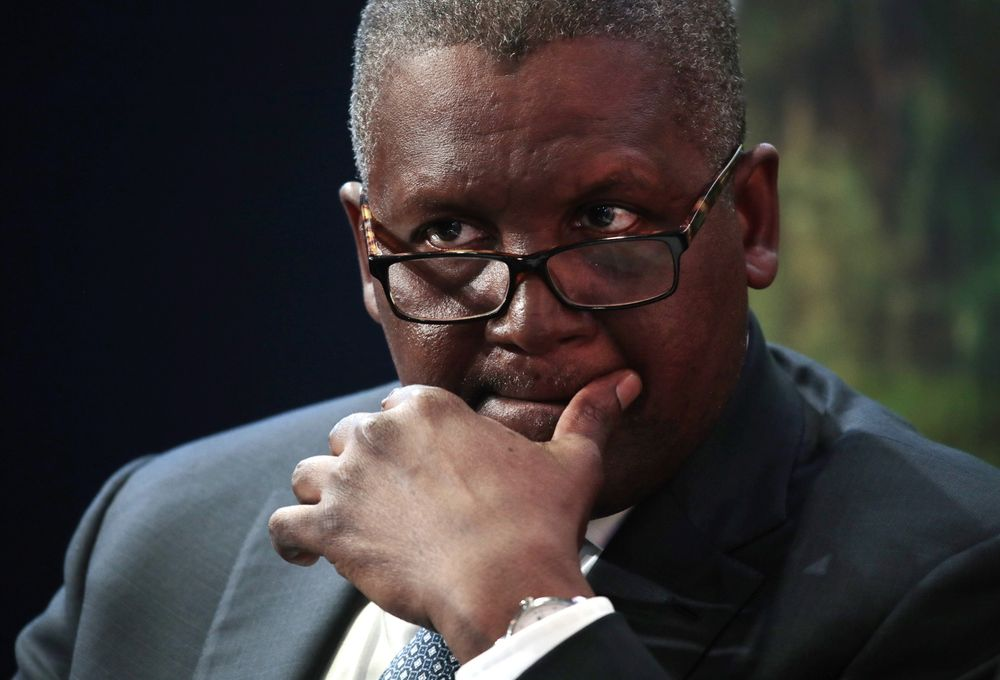
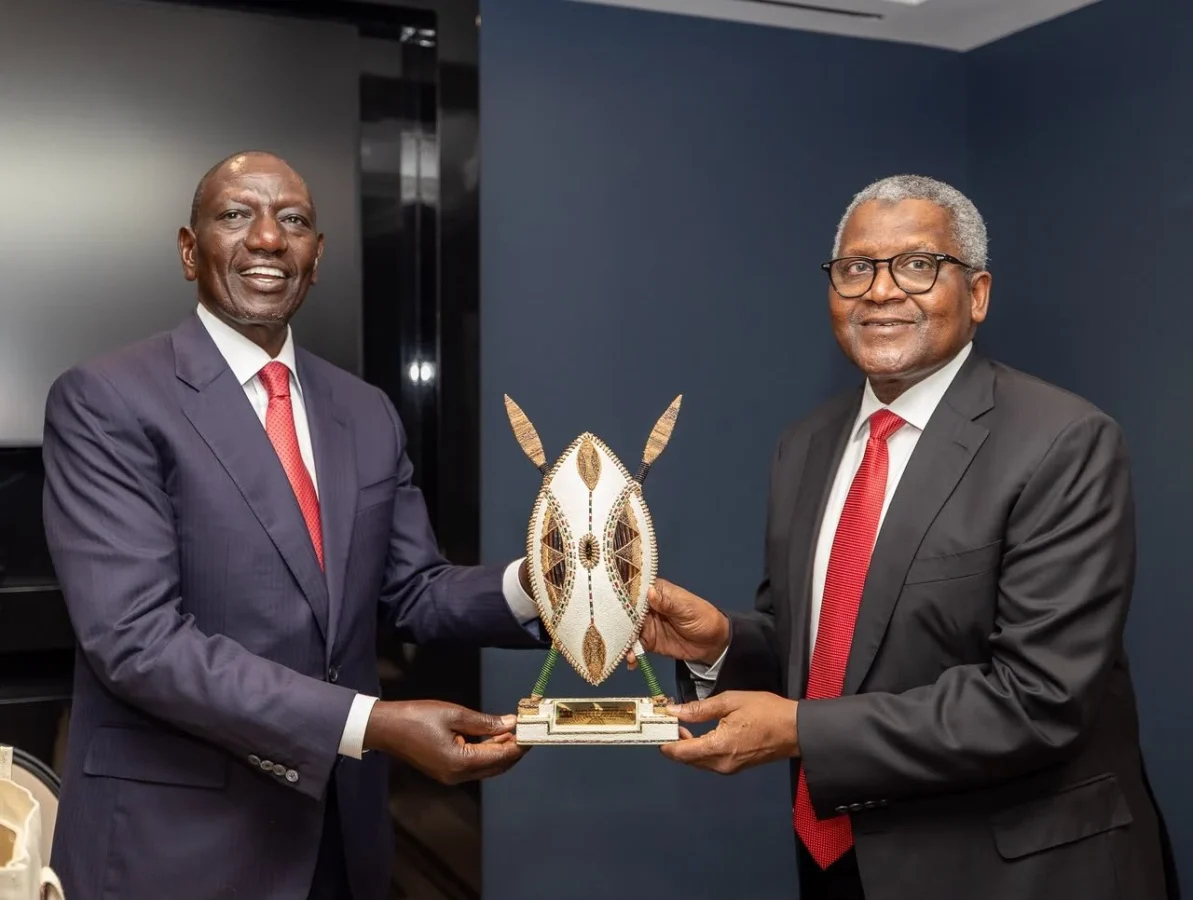
Aliko Dangote, President of Dangote Industries Limited, says he is prepared to confront legal challenges involving his businesses, including disputes over fuel imports and the development of his planned refinery in Kenya.
Dangote made the remarks Tuesday during a fireside chat at the Nigerian-owned conglomerate’s investor engagement at the Nairobi Securities Exchange in Kenya.
The businessman was speaking against the backdrop of ongoing legal disputes involving his energy investments and his refinery’s challenge to the continued issuance of petroleum products import licences in Nigeria.
Dangote said he was not deterred by legal action against his businesses, adding that companies operating at the scale of his group would inevitably face challenges.
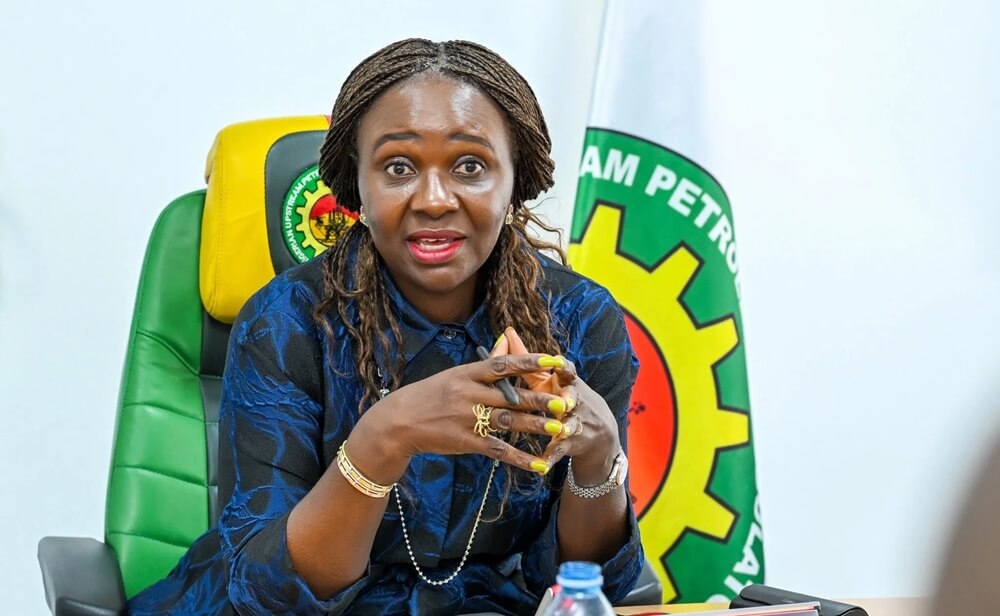
The comments come as a Federal High Court in Abuja has ordered the Nigerian Midstream and Downstream Petroleum Regulatory Authority (NMDPRA) to continue issuing and renewing fuel import licences to qualified oil marketers.
The Abuja ruling has opened a fresh legal and regulatory debate over the future of petroleum imports as Nigeria’s domestic refining capacity expands.
Dangote Petroleum Refinery, meanwhile, has a separate case before the Federal High Court in Lagos challenging the continued issuance and renewal of petroleum import licences to NNPC Limited and other marketers.
The Lagos case is scheduled for hearing on October 7. The refinery is seeking to nullify import licences it alleges were issued or renewed for several oil marketers in violation of an earlier court order.
Dangote willing to dilute refinery ownership
Beyond the legal dispute, Dangote said he was willing to reduce his ownership of the Dangote Petroleum Refinery to 25 percent as part of plans to broaden African participation in the company.
The refinery is currently undergoing an Initial Public Offering process, with the company seeking greater public and institutional ownership.
Dangote said increased participation by African investors would allow more people across the continent to benefit from the refinery’s operations.
The planned ownership structure comes as Dangote seeks to position the refinery as a major supplier of refined petroleum products to African markets.
Nigeria’s changing fuel market
The dispute over import licences comes at a significant point in Nigeria’s downstream petroleum sector.
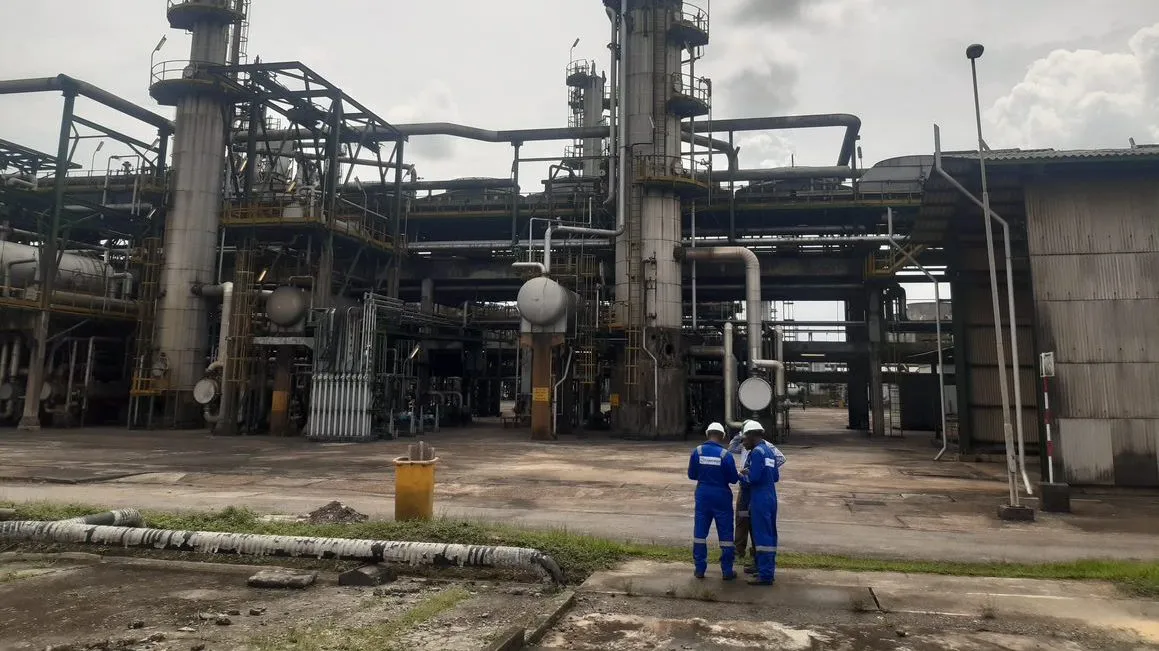
The Dangote refinery, with a nameplate capacity of 650,000 barrels per day, has increasingly supplied refined products to the domestic market, reducing Nigeria’s historical dependence on imported petroleum products.
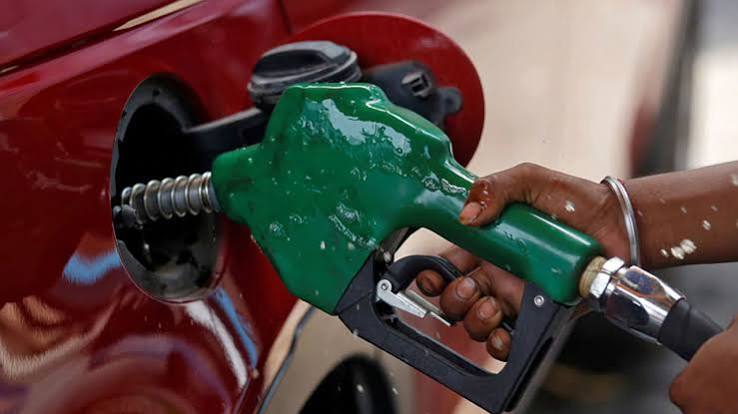
NMDPRA data for August showed that Nigeria’s average daily petrol imports fell by 26 percent to 14.6 million litres, from 19.7 million litres in July, while domestic petrol receipts increased by 39 percent to 35.9 million litres per day.
However, the government regulator has continued to approve imports, with permits covering about 830,000 metric tonnes of petrol approved for the fourth quarter of 2026.
The continued importation has become a major point of contention between domestic refiners and petroleum marketers.
Marketers argue that allowing imports alongside locally refined products promotes competition and protects consumers against supply shortages and excessive prices.
In the recent Abuja case, marketers told the court that competition between imported and locally refined petroleum products could improve fuel availability and affordability.
While domestic refining is expanding, the government has maintained a regulatory framework that allows qualified marketers to import petroleum products where the necessary conditions are met. The Petroleum Industry Act provides the legal framework governing petroleum product imports, while NMDPRA is responsible for regulating the midstream and downstream petroleum sectors.