






Nigeria’s fuel marketers turn to gas as downstream market shifts
- September 27, 2026
Nigeria’s downstream energy market is shifting towards natural gas as fuel retailers expand beyond petrol and diesel into CNG, LPG, gas infrastructure and upstream supply.
The retailers are quickly seeking growth following new market trends reshaped by deregulation and changing fuel economics in Nigeria and globally.
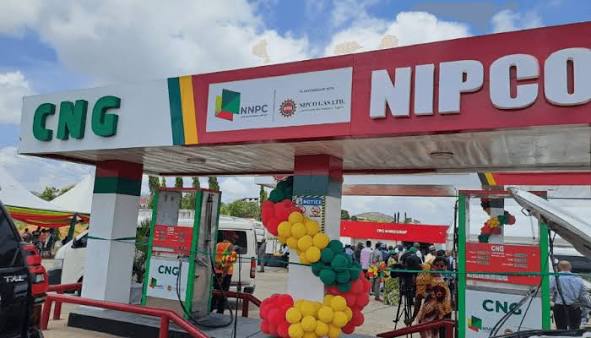
Recently, the NIPCO Group, and Ardova Plc made substantial investment in the gas value chain to expand their stake in the market, joining Rainoil, Conoil and others in the expansion.
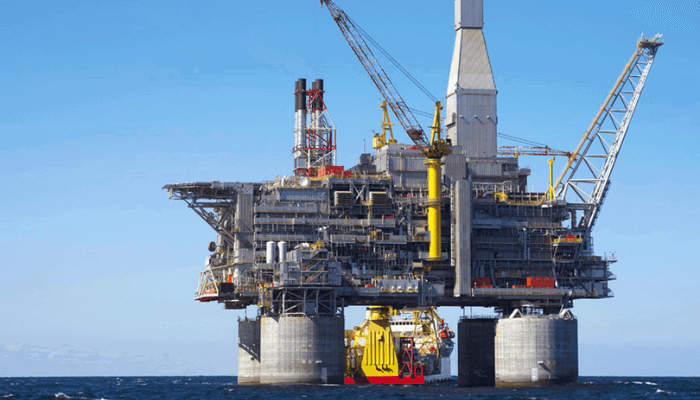
NIPCO Group is taking that shift further than most, evaluating a more than $3 billion floating LNG project that could produce about three million tonnes a year.
The project would take NIPCO, which has spent more than two decades building a downstream and gas infrastructure business, into LNG production and potentially upstream gas supply.
“This is a strategic entry into the LNG sector,” Nagendra Verma, managing director of NIPCO Gas Ltd, said at a briefing in Abuja.
The proposed facility could be located in the Escravos area of Delta State or Akwa Ibom, depending on the outcome of feasibility and technical studies. A final investment decision has yet to be made.
The project is part of a broader repositioning among Nigeria’s downstream companies as they seek to capture more value from the country’s gas resources.
Ardova Plc (AP), one of Nigeria’s major fuel marketers, has also agreed to acquire Powergas Global Investments Nigeria Limited and Powergas Ebedei Limited through a consortium with Diadem Energy.
The transaction would give Ardova access to CNG compression facilities, virtual-pipeline distribution and an established industrial customer base.
Ardova plans to install CNG infrastructure across its retail network and is targeting 100 CNG refuelling sites within 24 months of completing the acquisition.
The strategy would allow Ardova to use its existing network of filling stations, logistics operations and customer relationships to build a gas business alongside its conventional fuel operations.
Powergas operates four mother stations and more than 250 tube skids, according to A.P. Moller Capital, which invested in the business in 2019.
From fuel volumes to the gas molecule
The moves point to a change in the competitive structure of Nigeria’s downstream market.
Fuel marketers have traditionally competed on access to imported and locally refined petroleum products, distribution capacity, retail sites and customer volumes. Gas offers a different opportunity where companies can participate in production, compression, transportation, infrastructure and industrial supply as well as retail.
The local petrol market has also changed since Dangote Refinery’s giant investment that is influencing pricing and import of petrol.
For NIPCO, the proposed FLNG project would extend that strategy towards the upstream end of the chain.
The company said it is also seeking to enter upstream oil and gas and is exploring a strategic partnership with NNPC for the FLNG project. It plans to work with international technology providers, engineering companies, contractors and financial institutions.
NIPCO said it has invested about $2 billion in Nigeria’s oil and gas sector.
The proposed FLNG would be designed to serve both export and domestic markets, potentially providing another route to monetise gas that is currently underutilised or stranded.
However, the shift towards gas will require substantial investment, although the Midstream and Downstream Gas Infrastructure Fund (MDGIF) said it has mobilised N1.6trn in private investment across 31 gas projects and 205 infrastructure assets over 20 months.
Its portfolio includes CNG mother and daughter stations, gas processing and LPG infrastructure.
NIPCO has not disclosed how the proposed $3 billion project would be financed, which upstream fields would supply the plant, its expected returns or when it could reach first LNG production.
Ardova has also not disclosed the value of its Powergas acquisition or the capital required to establish its planned CNG network.
Those numbers will determine how quickly the companies can scale and whether their existing downstream networks provide a sufficient commercial advantage and competition in the downstream.