Libya has lost more than 720,000 barrels of crude production and over $75 million in revenue after an armed group shut a key valve on the pipeline carrying oil from the Sharara field to Zawiya, the National Oil Corporation has said.
The NOC said the losses had accumulated as of September 24 following the closure of Valve 7 on the Sharara-Zawiya pipeline three days earlier.
The disruption has significantly reduced output from Sharara, Libya’s largest oil field and one of the most important sources of crude production in the country.
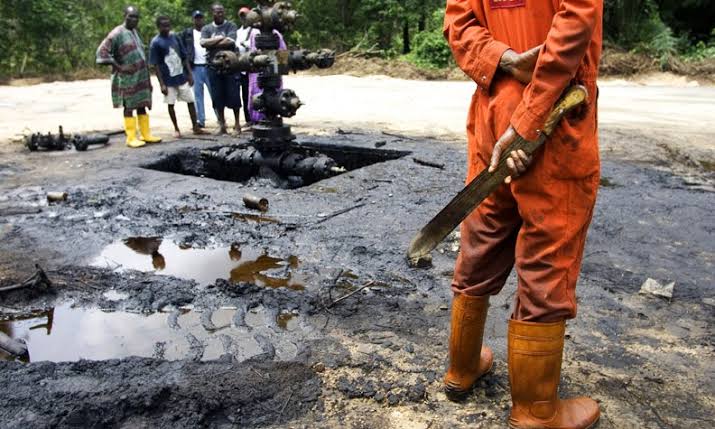
“The closure caused a pressure buildup within the crude oil pipeline, leading to a significant reduction in production at the El Sharara field,” the NOC said.
Sharara, located about 700 kilometres south of Tripoli, accounts for a substantial share of Libya’s national oil production and has repeatedly been affected by blockades and political disputes.
The latest shutdown raises the prospect of another force majeure declaration if production and pipeline operations cannot be restored.
The NOC said it could be “compelled to declare force majeure” if the closure continues, allowing it to suspend contractual obligations because of circumstances beyond its control.
The company previously declared force majeure at Sharara in January 2024 after protesters forced production at the field to stop.
The latest disruption is also threatening operations at the Zawiya refinery, about 45 kilometres west of Tripoli.
The NOC warned that the refinery could begin shutting down processing units as its crude inventories are depleted, potentially extending the impact beyond upstream production to Libya’s domestic refining system.
The shutdown comes at a sensitive time for Libya, which remains heavily dependent on oil exports for government revenue.
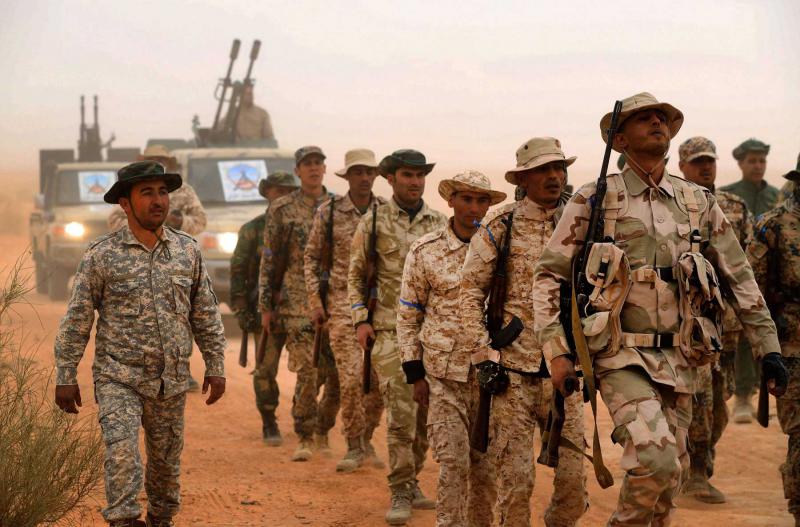
Armed groups, protesters and competing political factions have repeatedly targeted oil fields, pipelines and export terminals in disputes over revenues, jobs and political demands.
Despite holding Africa’s largest proven oil reserves, Libya has struggled to maintain stable production since the overthrow of Muammar Gaddafi in 2011.
The country remains divided between the UN-recognised government in Tripoli led by Prime Minister Abdulhamid Dbeibah and a rival administration in the east backed by forces aligned with General Khalifa Haftar.