














Nigeria’s Power Generation Slumps as Discos Cut Back on Electricity Offtake
- February 18, 2026
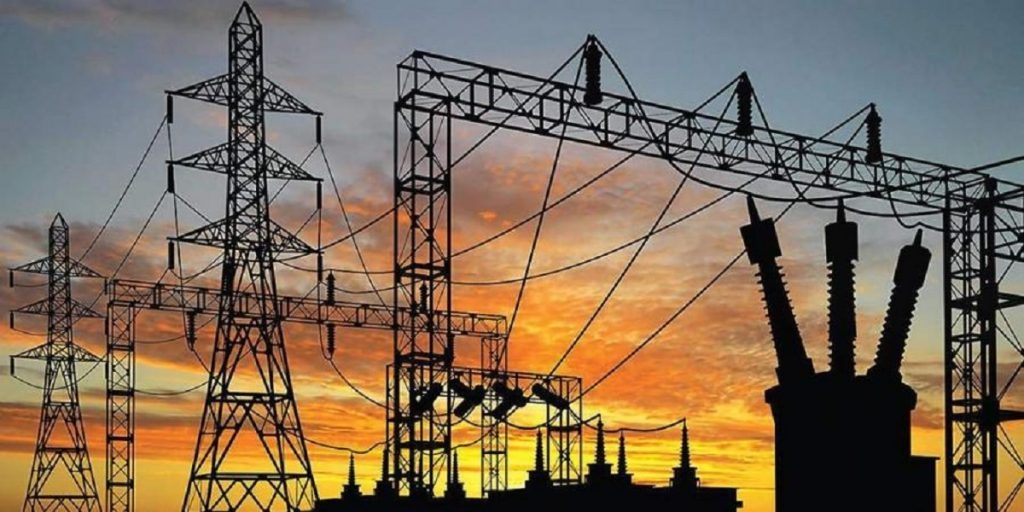
Nigeria’s fragile electricity market is facing renewed strain as national power generation continues to decline, driven largely by reduced offtake from electricity distribution companies (Discos).
Industry data in recent weeks indicate that available generation capacity has not been fully dispatched to the national grid, with several generation companies (GenCos) ramping down output due to insufficient demand from Discos. At various points, grid supply has hovered below installed capacity, not necessarily because of gas shortages or technical breakdowns, but because Discos are unwilling or unable to take more load.
In Nigeria’s electricity market structure, GenCos generate power, the Transmission Company of Nigeria (TCN) wheels it, and Discos distribute and collect revenue from end-users. However, when Discos reduce their load nominations, often due to weak collections, energy theft, or infrastructure constraints, the system operator is forced to direct GenCos to back down.
While millions of Nigerians complain of poor electricity supply, parts of the grid are underutilised.
Liquidity crisis deepens
At the heart of the problem is the persistent liquidity shortfall in the Nigerian Electricity Supply Industry (NESI). Discos have struggled with low revenue recovery rates, high Aggregate Technical, Commercial and Collection (ATC&C) losses, and mounting market obligations.
When Discos cannot remit enough funds into the market, GenCos face delayed or partial payments for electricity generated. Over time, this weakens their ability to procure gas, maintain turbines and invest in capacity upgrades.
The Nigerian Bulk Electricity Trading (NBET) company, originally designed as an intermediary to stabilise payments between GenCos and Discos, has also come under strain as government support through payment assurance mechanisms has tapered.
Stakeholders warn that the current trend could worsen sector indebtedness and deter further private investment.
Discos’ constraints
Several Discos argue that their reduced offtake is not entirely voluntary. They cite dilapidated distribution infrastructure, overloaded feeders, vandalism, and customer resistance to tariff increases as structural barriers to absorbing additional power.
In some franchise areas, especially where metering gaps persist, Discos are cautious about taking on more energy than they can bill and collect for. Higher load without commensurate revenue recovery translates directly into financial losses.
Moreover, with ongoing tariff reforms and the migration of certain customer bands to cost-reflective tariffs, demand patterns have shifted. Some high-paying industrial and commercial customers have reportedly scaled down grid reliance in favour of self-generation, particularly through gas and solar hybrid systems.
Transmission and grid stability implications
The reduced offtake also has implications for grid management. When load demand falls unexpectedly or remains suppressed, grid frequency control becomes more delicate. Generation back-down orders, if not optimally managed, can strain thermal plants and increase operational inefficiencies.
While the Transmission Company of Nigeria continues to implement capacity upgrades, transmission constraints still exist in certain corridors. In some cases, even when generation is available and Discos are willing to take more load, wheeling limitations cap effective delivery.
The ongoing implementation of the Electricity Act 2023, which decentralises the market and allows states to establish their own electricity markets, was expected to stimulate competition and investment. However, falling generation due to weak offtake signals that foundational commercial issues remain unresolved.
Energy economists note that without improved revenue assurance at the distribution level, upstream reforms may struggle to achieve intended outcomes. “Generation capacity is not the only problem. The commercial viability of the entire chain is what determines whether power will actually flow,” a sector analyst said.
For consumers, the technical explanations offer little comfort. Households and businesses continue to experience erratic supply, voltage fluctuations and prolonged outages. Even with installed capacity exceeding average daily generation, many communities remain underserved.
Small and medium-sized enterprises (SMEs), already burdened by rising fuel prices, face higher operating costs due to reliance on diesel and petrol generators. This further dampens productivity and economic competitiveness.
Way forward
Experts argue that reversing the decline in power output will require a coordinated, multi-pronged reform strategy that addresses structural weaknesses across the electricity value chain. Central to this is strengthening the financial and technical capacity of distribution companies (Discos), enabling them to improve revenue collection, reduce losses, and invest in network upgrades. Without financially viable Discos, the entire market, particularly generation companies, will continue to face liquidity shortfalls that undermine stable power supply.
In addition, accelerating mass metering remains critical to closing persistent revenue gaps. Widespread metering will not only improve billing accuracy and transparency but also curb estimated billing disputes, boost consumer confidence, and enhance overall market discipline. Closely linked to this is the need for stricter enforcement against energy theft and illegal connections, which significantly erode Disco revenues and distort demand projections.
Sustainable improvement in generation output will depend less on installed megawatts and more on restoring confidence and liquidity across the electricity value chain. EFA.