









Can Dangote’s 650,000 bpd turn the naira around?
- February 12, 2026
Nigeria may be on the cusp of a significant shift in its energy and foreign exchange landscape, following the Dangote Petroleum Refinery’s achievement of full operational capacity. Chairman of First HoldCo, Femi Otedola, expressed optimism that the naira could strengthen substantially in the coming months, projecting that the currency may trade below ₦1,000 per dollar before the end of the year.
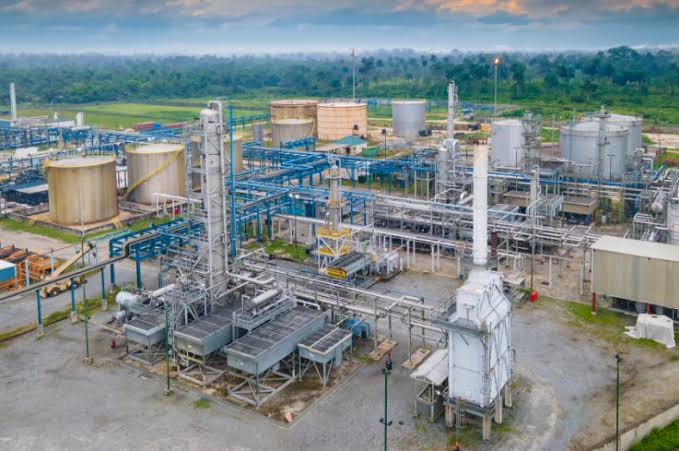
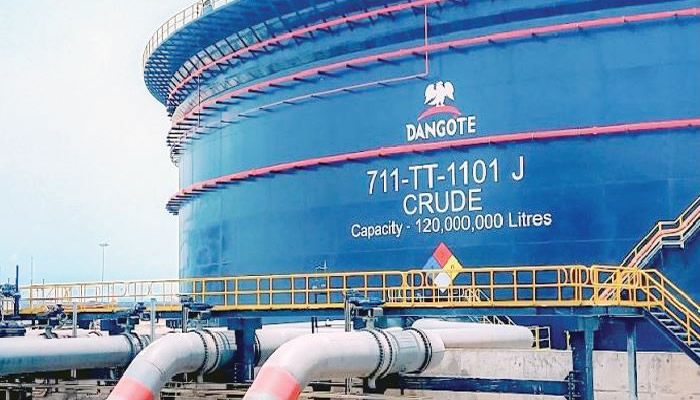
The Dangote Refinery, Africa’s largest, confirmed on Wednesday that it had ramped up production to its full installed capacity of 650,000 barrels per day (bpd). This milestone follows the restoration and optimisation of the refinery’s crude distillation unit (CDU) and motor spirit (MS) production block, which had previously been offline for scheduled maintenance.
Otedola described the development as a pivotal moment for Nigeria’s energy sector. “Decades of heavy reliance on imported refined petroleum products have placed sustained pressure on the country’s foreign exchange market,” he noted. With domestic refining now firmly in place, he expects a marked easing of this pressure and anticipates that the naira could strengthen meaningfully in the near term.
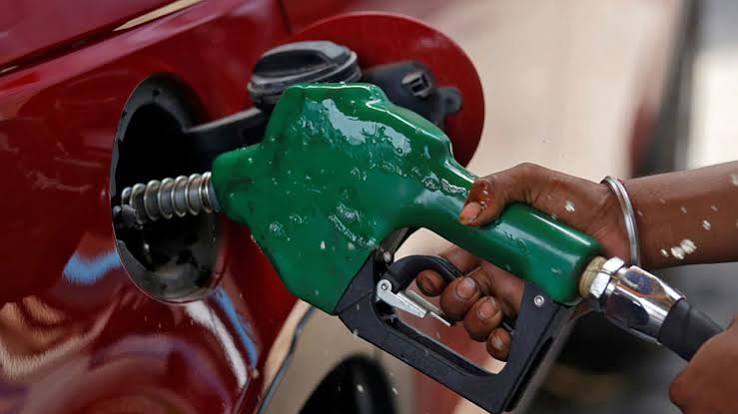
The refinery’s current capacity to supply up to 75 million litres of premium motor spirit (PMS) daily is expected to reduce Nigeria’s fuel import bills considerably, conserving scarce foreign exchange reserves. Beyond easing pressure on the currency, the refinery represents a significant industrial milestone, creating a platform for downstream economic activities in petrochemicals and related industries.
Looking ahead, the Dangote Group has already begun a $12 billion expansion project to double refining capacity to 1.4 million bpd. This expansion includes plans to produce 2.4 million tonnes of polypropylene and 400,000 metric tonnes of linear alkyl benzene annually, vital raw materials for plastics and detergent manufacturing.
Analysts suggest that the full-scale operation of the refinery could have broader macroeconomic implications. A more stable naira would lower import costs for goods and raw materials, reduce inflationary pressures, and strengthen investor confidence. Domestically, it signals the potential for Nigeria to reduce its perennial dependence on fuel imports, create jobs, and stimulate local industrial growth.
Currently, the naira trades at ₦1,400.47 to the dollar in the official market as of January 29, reflecting persistent volatility. If domestic refining scales as projected, the combined effects on foreign exchange stability, industrial output, and energy security could redefine Nigeria’s economic trajectory over the coming years.
The Dangote Refinery’s milestone is more than a corporate achievement—it represents a strategic lever for Nigeria’s economic stability and energy independence. Stakeholders across the energy sector, investors, and policymakers will be watching closely to assess how increased domestic refining capacity can translate into tangible benefits for the currency, industrial growth, and broader economic resilience.