









Dangote Refinery: Coastal logistics threatens Nigeria’s petrol price
- February 6, 2026
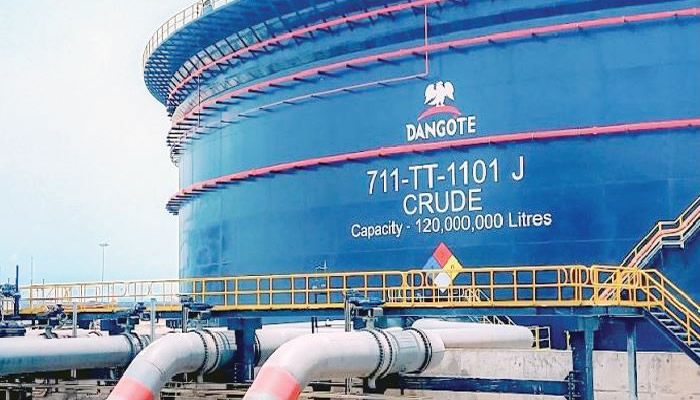
Nigeria’s long-awaited domestic refining breakthrough is facing an unexpected stress test. The challenge appears not from crude supply, capacity, or foreign exchange, but from how fuel is moved after it is refined.
The Dangote Petroleum Refinery, on Thursday, warned that dependence on coastal logistics could push petrol prices towards ₦1,000 per litre, highlighting a critical fault line in Nigeria’s downstream petroleum value chain.
While local refining was expected to deliver sustained relief at the pump, rising distribution costs now threaten to dilute those gains.
READ ALSO: Macroeconomic stability: Nigeria has the gas. The question now is discipline
Dangote has drawn attention to the growing preference by some marketers for coastal evacuation, which involves shipping refined products via vessels to coastal depots before inland distribution. While legally permissible, this method attracts port charges, vessel charter fees, marine insurance, and other logistics-related costs that do not arise under direct gantry loading.
According to the refinery, these additional costs could add about ₦75 per litre, a margin large enough to push petrol prices to levels that erase the advantages of local refining.
Coastal logistics
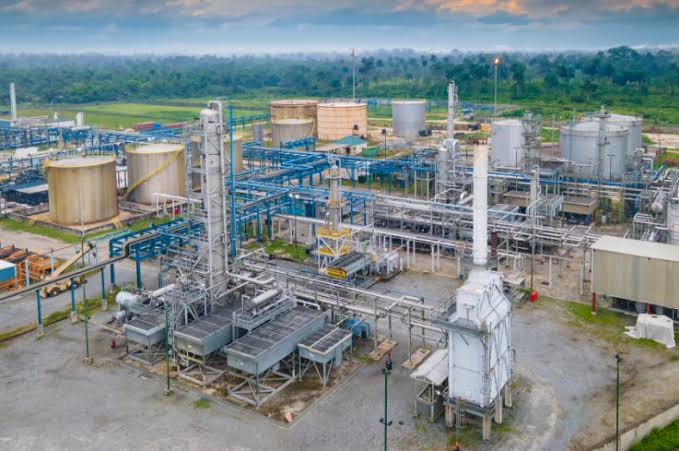
The refinery operates extensive gantry facilities designed for large-scale truck loading, offering a cheaper and more direct route to the market. In contrast, coastal logistics introduces multiple cost layers that are ultimately transferred to consumers.This development raises a fundamental question for Nigeria’s downstream sector.
Analysts note that Nigeria’s weak pipeline network and underdeveloped inland depot systems make maritime evacuation attractive to marketers accustomed to import-based supply chains. In effect, the downstream sector is still operating with import-era logistics habits in a domestic-refining environment.
With fuel subsidies removed, petrol prices now fully reflect market realities. Any increase in distribution costs feeds directly into transport fares, food prices, and general inflation.
A sustained rise toward ₦1,000 per litre would not only strain households but also undermine broader economic stabilisation efforts, particularly as fuel costs remain a key inflation transmission channel in Nigeria.
READ ALSO: PETROAN vs NNPC: What the Port Harcourt refinery dispute says about Nigeria’s energy future
Moreover, if domestic refining fails to deliver visible price moderation, public confidence in sector reforms could weaken even if the underlying problem lies outside refining itself.
Policy choices
Dangote’s warning places responsibility not just on marketers, but on regulators and policymakers. Without deliberate efforts to strengthen pipelines, standardise efficient evacuation routes, and discourage cost-inflating logistics, Nigeria risks recreating import-era pricing pressures within a domestic supply framework.
The situation also highlights the need for clearer alignment between energy infrastructure planning and downstream market behaviour. Refining capacity without complementary logistics reform leaves the value chain exposed to inefficiencies.
Nigeria has solved a major part of its fuel supply puzzle by refining petrol at home. But as the Dangote Refinery’s alert makes clear, the journey from refinery to pump now determines whether Nigerians feel the benefit.
As coastal logistics continues to dominate fuel evacuation, the country may find itself facing global-level petrol prices despite local production. EFA.