









REPORT: How Shell Operates Nigerian Pipeline Despite Years of Environmental Risk Warnings
- June 3, 2026
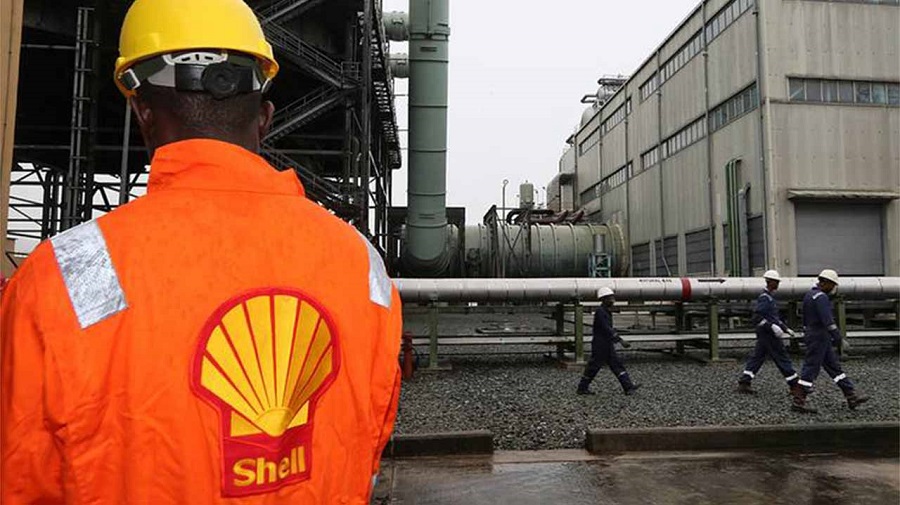
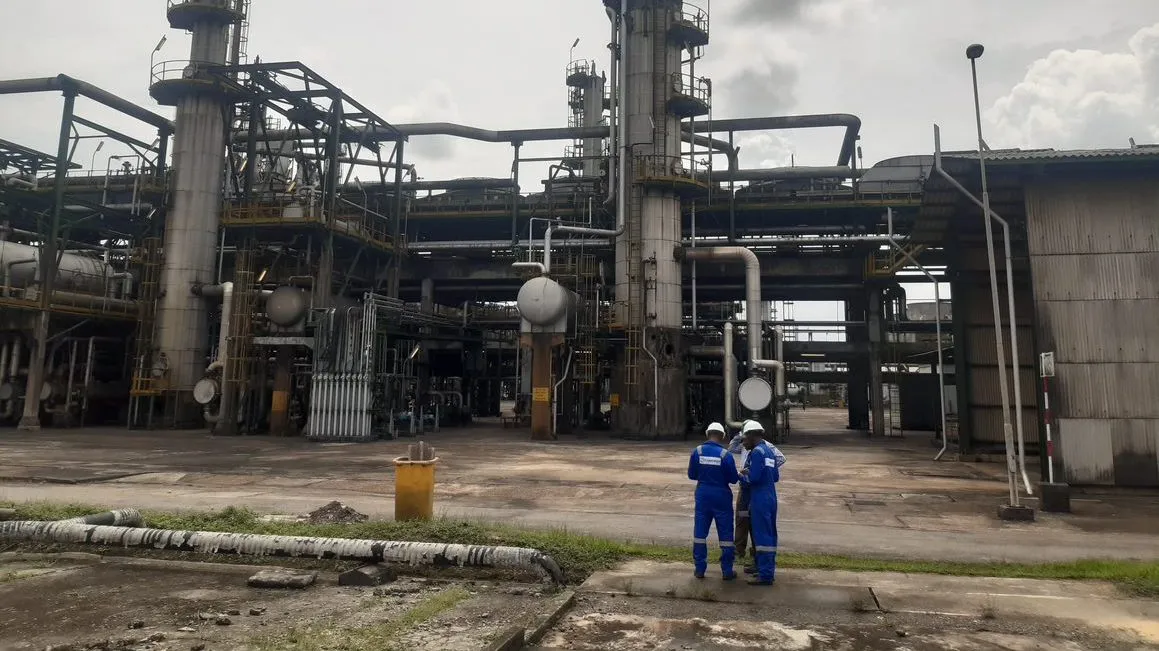
New documents have shown that Shell Nigeria Gas Limited continued to operate a major oil pipeline in Niger Delta for years despite internal assessments indicating significant environmental risks and evidence of pollution linked to the infrastructure.
According to a report first published by the BBC, internal company records show that Shell was aware of concerns surrounding the integrity of sections of the Trans-Niger Pipeline (TNP), one of Nigeria’s most important crude oil export pipelines, yet continued operations while the infrastructure remained vulnerable to leaks and environmental contamination.
The revelations have reignited debates about corporate environmental responsibility in Nigeria’s oil-producing communities and could intensify scrutiny of legacy pollution issues in the Niger Delta, a region that has endured decades of oil spills and environmental degradation.
The Trans-Niger Pipeline is a critical export route for Bonny Light crude and has historically transported hundreds of thousands of barrels of crude oil daily from production fields to export terminals.
Over the years, the pipeline has been associated with multiple spill incidents, some of which have affected farmlands, rivers and fishing communities across Rivers State and surrounding areas.
According to the report, internal assessments raised concerns about corrosion, structural weaknesses and pollution risks associated with sections of the pipeline. However, Shell maintained operations while undertaking various maintenance and monitoring activities, arguing that the operating environment in the Niger Delta is complex and that many spill incidents have been linked to sabotage, oil theft and illegal refining activities.
Responding to the allegations, Shell reportedly said the documents cited in the investigation failed to reflect the full context of operating in the Niger Delta, where pipeline vandalism and crude theft have remained persistent challenges for operators.
The company maintained that it had invested significantly in surveillance, maintenance and spill response efforts over the years.
The latest revelations come amid ongoing legal battles involving Shell and communities in the Niger Delta over historic oil pollution. In recent years, courts in the United Kingdom have allowed claims by affected Nigerian communities to proceed, opening the possibility of liability for legacy environmental damage linked to oil operations in the region.
The controversy also emerges at a time when international oil companies are restructuring their portfolios in Nigeria. Shell has completed the divestment of its onshore assets to Renaissance Africa Energy Company, marking a significant shift in its Nigerian operations while retaining interests in offshore and deep-water projects.
The Niger Delta remains one of the world’s most environmentally sensitive oil-producing regions, with decades of pollution continuing to affect livelihoods, agriculture, fishing activities and public health in many communities.