









Can Dangote Refinery Shares Redefine African Energy Investment?
- May 21, 2026

The planned listing of the Dangote Petroleum Refinery is increasingly being viewed as more than just another corporate planned initial public offering (IPO), as the conversation across financial and energy markets is shifting toward a much bigger question of whether the refinery shares can fundamentally redefine African energy investment.
For decades, Africa’s energy story has largely been defined by the export of crude oil and the importation of refined petroleum products. Despite being home to some of the world’s largest hydrocarbon reserves, much of the continent remained dependent on foreign refining capacity, exposing economies to fuel shortages, price volatility, and mounting foreign exchange pressures.
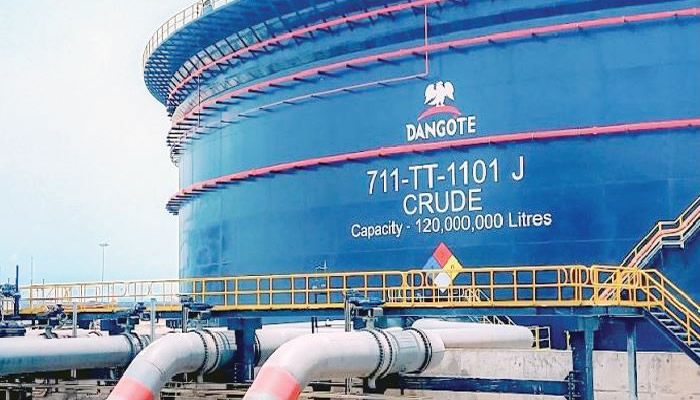
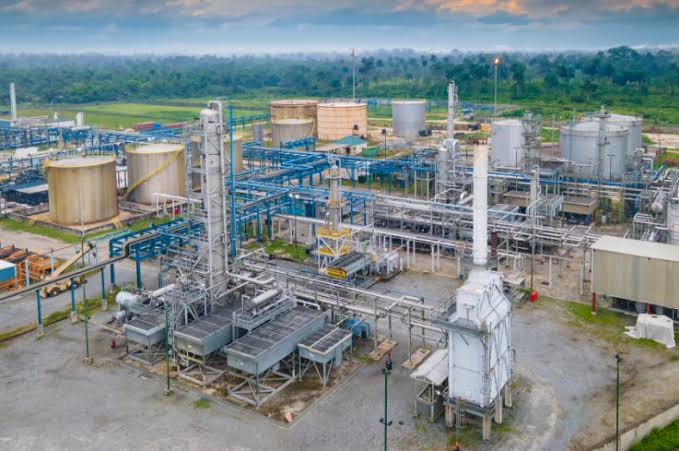
Located in the Lekki Free Trade Zone in Lagos, the 650,000 barrels-per-day refinery is the world’s largest single-train refining facility. Its scale alone places it among the most ambitious industrial projects ever undertaken on the continent.
Beyond the engineering achievement, the refinery represents an opportunity to reduce dependence on imported petroleum products, conserve foreign exchange, and strengthen domestic energy security for Nigeria. For Africa as a continent, it signals the possibility of regional refining independence at a scale previously considered unattainable.
The facility is expected to supply petrol, diesel, aviation fuel, and petrochemical products across multiple African markets, potentially altering regional trade flows and reducing reliance on European and Asian refiners. This shift matters because Africa’s downstream sector has historically suffered from chronic underinvestment. Refining infrastructure across the continent has remained limited, inefficient, or state-dependent, creating persistent supply vulnerabilities.
Why investors are watching closely
Investors’ interest in the refinery is being driven by a combination of strategic relevance, market size, and long-term growth potential. The anticipated IPO is expected to attract pension funds, institutional investors, sovereign wealth funds, and retail investors seeking exposure to one of Africa’s largest industrial assets.
For many investors, the refinery represents a rare opportunity to participate directly in a strategically important energy infrastructure project with continental reach. Part of the excitement stems from the refinery’s ability to address a structural gap in African energy markets.
Although Africa produces large volumes of crude oil, it still imports a significant share of its refined fuel needs. This imbalance creates a long-term demand opportunity for a refinery capable of serving both domestic and export markets.
The refinery also benefits from vertical integration across petrochemicals, logistics, marine operations, and fertilizer production, creating multiple revenue streams that could strengthen profitability over time. For investors concerned about currency exposure, export earnings from refined petroleum products and petrochemicals could also provide valuable dollar-denominated revenue generation.
Already, billionaire investor Femi Otedola has announced a $100 million personal investment to acquire shares in the Dangote Oil Refinery, ahead of its planned initial public offering (IPO) in September. To fund this purchase, Otedola divested his stake in Geregu Power, calling the 650,000-barrel-per-day facility a “transformative industrial platform”.
Redefining African energy investment
The broader significance of the Dangote Refinery IPO lies in what it could mean for Africa’s investment landscape.
Historically, many of Africa’s largest energy assets were either state-controlled or heavily dependent on foreign ownership and financing. Public participation in major energy infrastructure remained limited, while African capital markets often lacked large-scale industrial listings capable of attracting substantial institutional interest.
If successfully listed, the refinery could become one of the most important energy investment vehicles on the continent, creating a new benchmark for infrastructure financing through African capital markets. Its success may encourage other large-scale industrial and energy projects to pursue public listings rather than relying almost entirely on debt financing or foreign ownership structures.
The listing could also deepen liquidity on the Nigerian Exchange and potentially attract broader international investor participation in African energy markets.
In many ways, the refinery represents an emerging shift in African economic thinking from exporting raw materials toward building integrated industrial value chains capable of retaining more economic value within the continent.
Risks
Despite strong enthusiasm surrounding the refinery, one major concern is crude oil supply. Refinery management has repeatedly highlighted challenges around accessing sufficient domestic crude allocations, forcing increased reliance on imported crude feedstock. This introduces additional foreign exchange exposure and operational uncertainty.
Regulatory tensions also remain a factor. Ongoing debates around fuel import licensing, market competition, and pricing structures continue to shape Nigeria’s downstream petroleum sector. Investors will closely monitor how government policy evolves as the refinery strengthens its market position.
There are also concerns about valuation expectations. At a projected valuation approaching $50 billion, investors will demand strong operational performance, stable refining margins, and consistent earnings growth to justify premium pricing.
Large-scale refining is also inherently cyclical, with profitability closely tied to global oil prices, refining spreads, and macroeconomic conditions.
Beyond share sale
The Dangote Refinery IPO represents more than an opportunity to buy shares in a refinery. It is a test of whether African capital markets can support transformational industrial projects at scale. It is also a measure of investor confidence in Africa’s ability to build globally competitive infrastructure using indigenous private capital.
The refinery’s long-term success will depend on operational efficiency, policy stability, governance standards, and market conditions. But regardless of how the shares perform in the short term, the refinery has already altered the conversation around African energy investment.