






Can Dangote Redefine East Africa’s New Oil Race?
- May 9, 2026
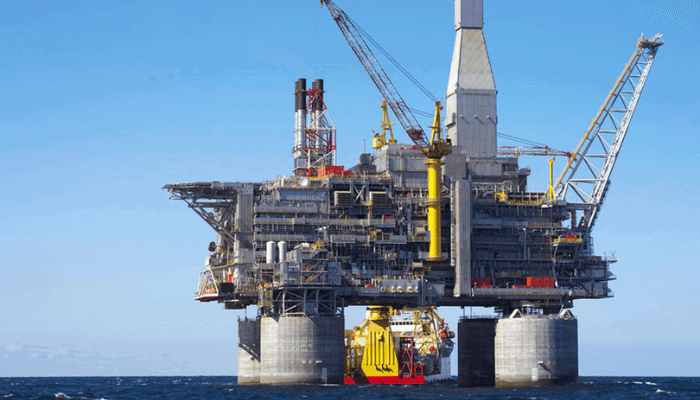
For decades, countries in East Africa have depended heavily on imported fuel to keep vehicles moving, factories running and economies functioning. Petrol, diesel, and aviation fuel mostly arrive through international suppliers, leaving local markets exposed to global crises far beyond their control.
When oil prices spike internationally or shipping routes become unstable, the effects are felt almost immediately in East African economies. Fuel becomes more expensive, transport costs rise and pressure mounts on already fragile national currencies. That vulnerability is now pushing governments and investors toward a new direction of refining more fuel within Africa itself.
READ ALSO: REPORT: Oil Companies’ Pollution Threatens Lives in Nigeria’s Northwest
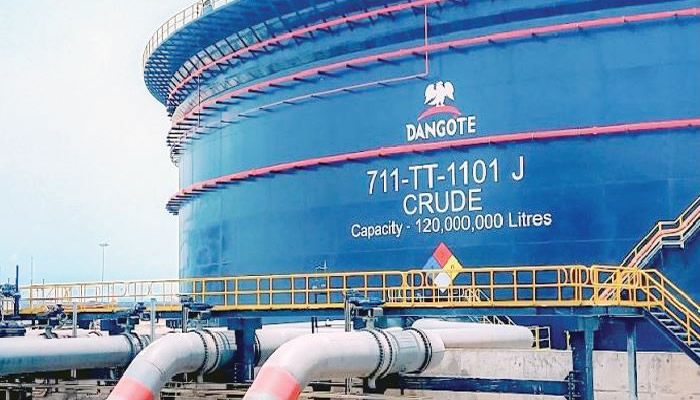
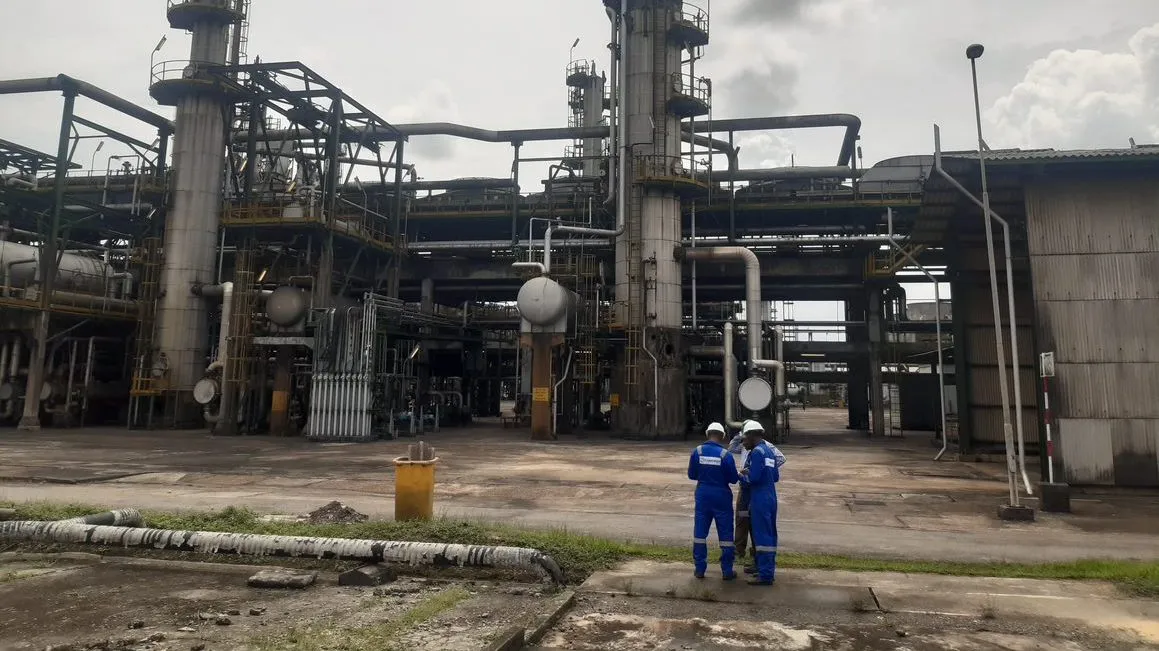
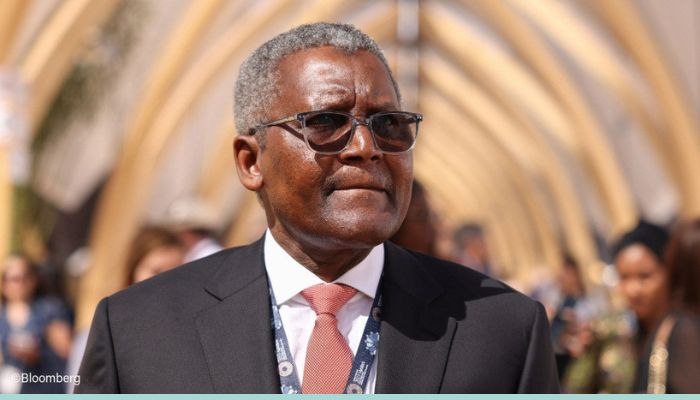
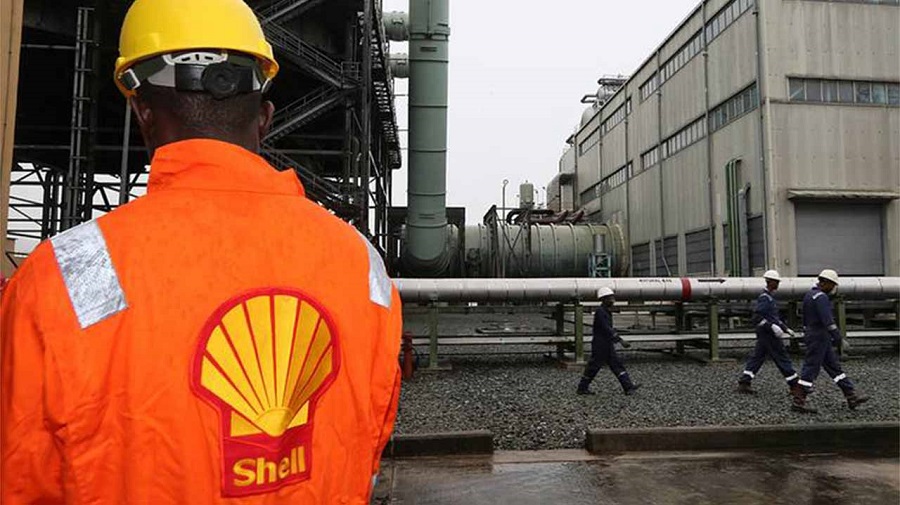
At the centre of that conversation is Aliko Dangote, whose proposed refinery project in Tanzania could become one of the biggest industrial developments the region has ever seen. The Nigerian billionaire is considering the construction of a 650,000 barrels-per-day refinery in the Tanzanian port city of Tanga.The project is expected to rival some of the world’s largest refining facilities and significantly reshape fuel supply patterns across East Africa.
This reflects a growing belief among African governments that energy security can no longer depend entirely on imported refined products. The push for local refining is increasingly being viewed as part of a wider economic strategy tied to industrial growth, job creation and regional trade.
Dangote’s interest in East Africa comes shortly after the launch of his giant refinery in Lagos, Nigeria, a project that has already started changing fuel trade flows in West Africa.
The refinery, built after years of delays and huge financial investment, was designed not only to process crude oil but also to support petrochemicals and fertiliser production.
East Africa offers a strong commercial case for such an investment. Fuel demand across countries like Kenya, Tanzania and Uganda has continued to grow steadily as urbanisation accelerates and transport systems expand. But refining capacity within the region remains extremely limited.
Most petroleum products consumed in East Africa are imported through coastal terminals before being distributed inland through pipelines and road transport systems. Global disruptions linked to geopolitical tensions, particularly around major oil shipping routes, have repeatedly affected fuel availability and pricing in African markets. Several governments have also struggled with rising import bills and mounting pressure on foreign exchange reserves. These challenges have revived interest in domestic refining projects that were once considered too expensive or too ambitious.
Meanwhile, Dangote will not be entering an empty market. Across East Africa, governments are already pursuing their own energy infrastructure plans, each shaped by national priorities and regional politics.
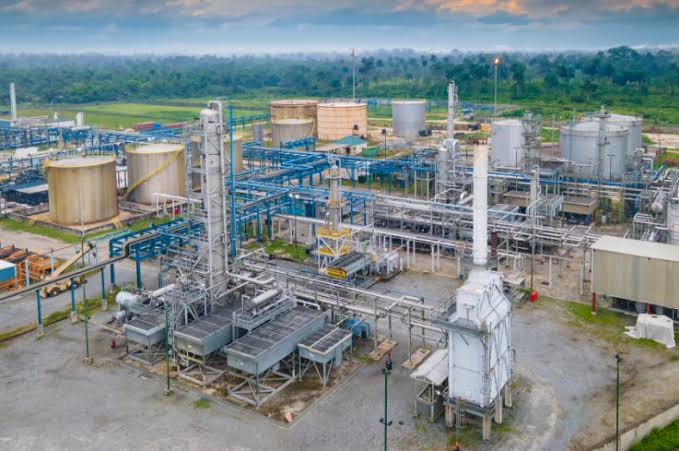
Uganda, for example, continues to push ahead with its long-discussed Hoima refinery project. The planned facility, linked to crude production from the Lake Albert basin, is expected to process around 60,000 barrels of oil daily. Although much smaller than Dangote’s proposed Tanzanian refinery, Hoima remains strategically important because Uganda sees it as part of a broader plan to reduce fuel imports and expand domestic industrial activity.
The project has also taken on a regional dimension. Kenya has expressed interest in participating through investment arrangements tied to pipeline infrastructure cooperation between both countries. For many policymakers, the refinery represents more than an energy project. It is also viewed as a symbol of resource control and economic independence.
Ethiopia is pursuing a different route as authorities there are backing plans for a large refinery project in the Somali Region near the Hilala oilfields. The development is expected to strengthen domestic fuel supply while supporting wider industrial expansion. Unlike Dangote’s regional export-focused model, however, Ethiopia’s strategy appears largely inward-looking.
Tanzania itself is also exploring alternative energy pathways outside conventional crude refining. The country has shown growing interest in Gas-to-Liquids technology, which converts natural gas into usable fuels such as diesel and jet fuel. With substantial gas reserves already discovered offshore, Tanzanian authorities see the technology as a possible long-term complement to traditional refining systems.
But experts say such projects serve a different purpose and are unlikely to replace large-scale refineries entirely. Meanwhile, Kenya continues to occupy a critical position within East Africa’s fuel economy despite no longer operating an active refinery.
The Port of Mombasa remains the region’s primary fuel import gateway, supplying petroleum products to several neighbouring countries. Existing pipeline networks and transport infrastructure have made Kenya central to regional fuel distribution for decades.
What is emerging across East Africa is not necessarily a direct battle between competing refineries, but a wider contest over who shapes the region’s future energy system. Private investors like Dangote offer scale, speed and financial muscle. Governments, on the other hand, often prefer projects that preserve national control over strategic assets. This tension is likely to define the next phase of East Africa’s energy transition. EFA.