




Macroeconomic stability: Nigeria has the gas. The question now is discipline
- February 5, 2026

Nigeria’s long-dormant gas potential may finally be finding its moment. After years of policy uncertainty, foreign exchange distortions and capital flight, a gradually improving macroeconomic outlook is beginning to reshape how global investors assess the country’s energy sector, particularly gas and upstream assets.
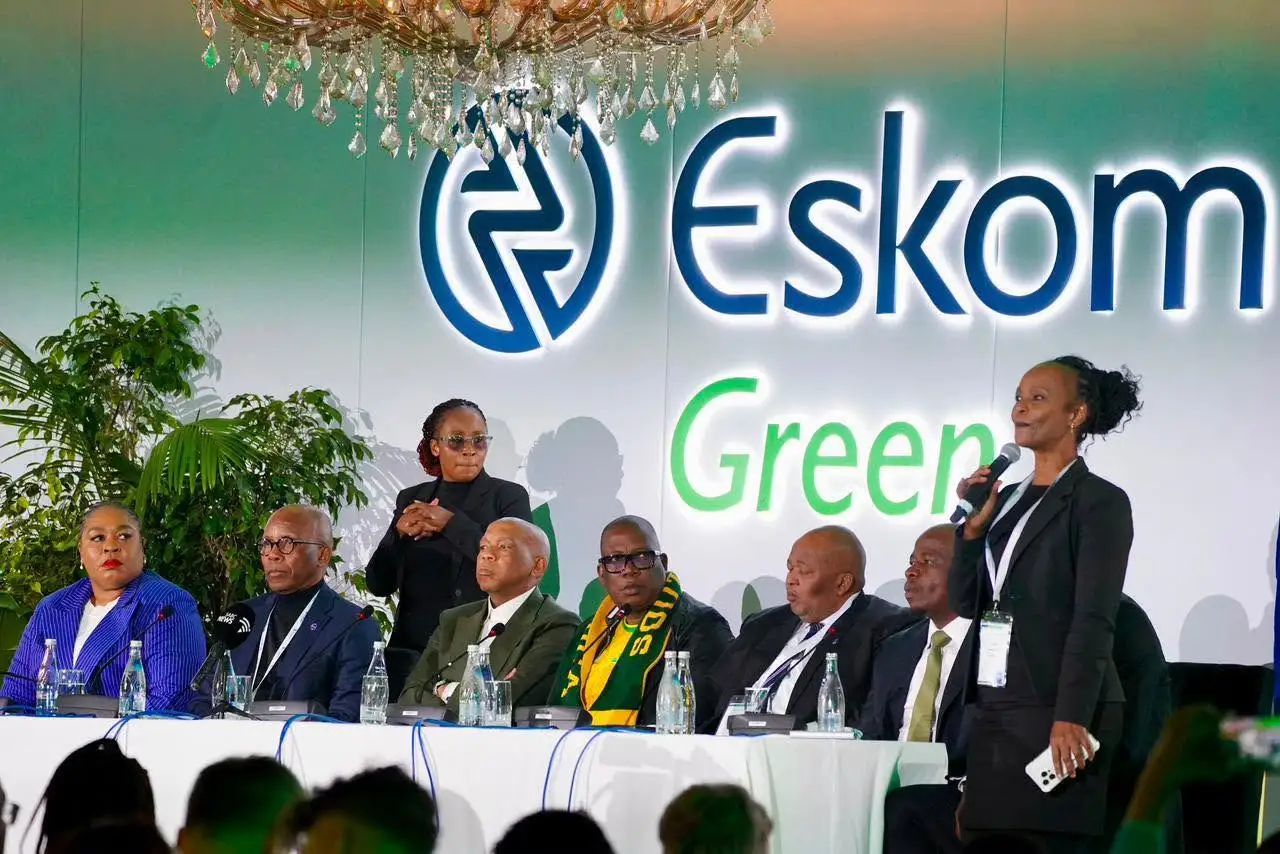
That was the underlying message at Pitching Nigerian Gas to Global Capital: Bankable Approaches to High-Value Gas Projects, held in Lagos under the License to Energy Series, where policymakers, financiers and industry operators converged to examine whether Nigeria is once again investible.
Macroeconomic signals investors watch
For Executive Director of Good Governance Africa, Dr Oladiran Bello, the turning point lies less in geology and more in macroeconomic credibility. Nigeria’s gas reserves have always been substantial; what has been missing, he argued, is predictability.
Recent foreign exchange reforms, though painful in the short term, have begun to restore clarity to a system that had discouraged long-term capital for nearly a decade. For energy investors, who typically operate on multi-year project timelines, volatility is often a bigger risk than price.
“Volatility has given way to predictability,” Mr Bello noted, framing the current period as Nigeria’s most stable macroeconomic phase in ten years. For an industry where financing costs are heavily influenced by sovereign risk perceptions, that shift is not cosmetic, it is foundational.
Gas, geopolitics and a narrow global window
Beyond domestic reforms, Mr Bello situated Nigeria’s gas opportunity within a rapidly evolving global energy order. The much-anticipated energy transition has slowed under the weight of geopolitical conflict, supply chain disruptions and energy security anxieties in Europe and Asia.
Nigeria, Mr Bello argued, must therefore think diplomatically as well as technically, engaging global powers and emerging markets alike without becoming locked into rigid geopolitical alignments. In a fragmented global order, reliability and flexibility may matter as much as reserves.
From licences to bankable projects
If macro stability is reopening the door, the next challenge is what Nigerian operators bring through it.
A key announcement at the forum was the launch of a new Accelerator Programme by Capitas Partners and London-based Savannah Capital, designed to improve the investment readiness of marginal field operators and indigenous producers.
Founder and Managing Partner of Capitas Partners, Dr Abimbola Agboluaje, described a familiar bottleneck: promising licences that fail to translate into bankable projects. The gap, he said, is often governance, transparency and project structuring areas that global capital scrutinises closely.
Savannah Capital’s City of London pedigree, combined with African market experience, is intended to bridge that gap by forcing difficult but necessary conversations with Nigerian operators. In a tightening global capital market, access increasingly depends on credibility rather than sentiment.
Regulatory reset begins to show results
Regulators at the forum reinforced the narrative that policy is beginning to align with ambition.
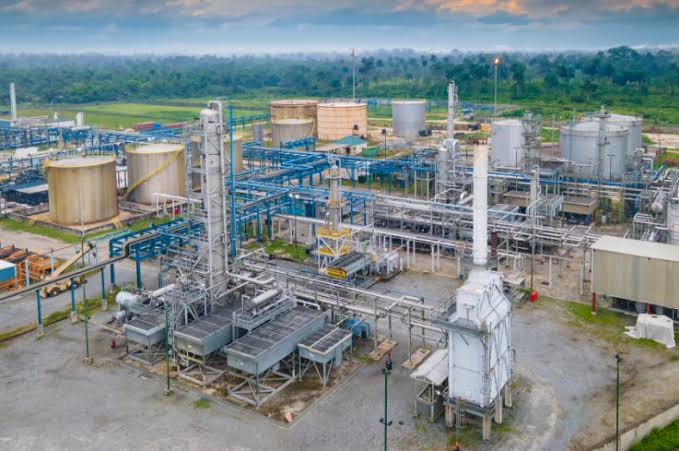
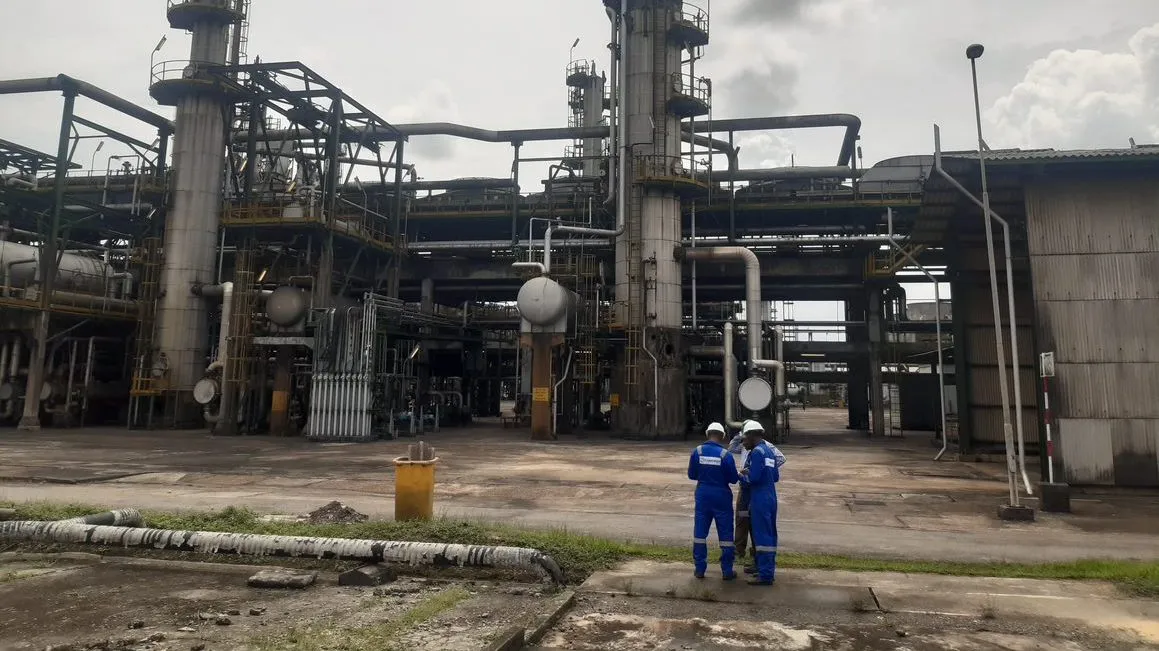
The Nigerian Content Development and Monitoring Board (NCDMB) highlighted ongoing delivery of critical gas infrastructure, including the AKK and OB3 pipelines, alongside targeted financing through the Nigerian Content Intervention Fund. Single-digit, long-tenor funding of up to $10 million per borrower, administered via the Bank of Industry and NEXIM, signals a deliberate effort to de-risk local participation in gas monetisation.
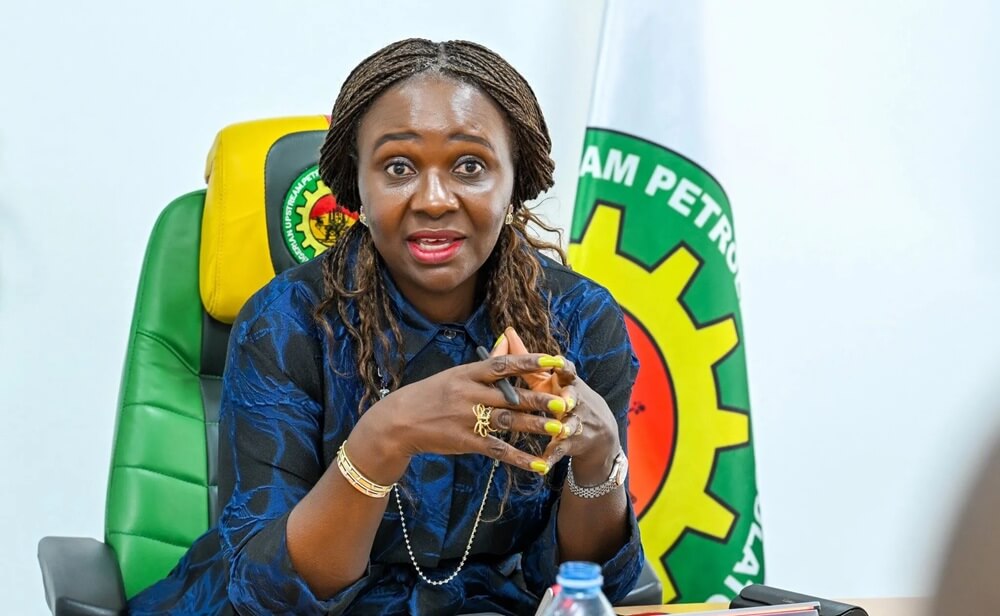
The Nigerian Upstream Petroleum Regulatory Commission (NUPRC) also pointed to structural reforms. With over 50 trillion cubic feet of gas available for monetisation, the Commission has issued 19 gas-focused regulations aimed at reducing production barriers while balancing exports with domestic supply.
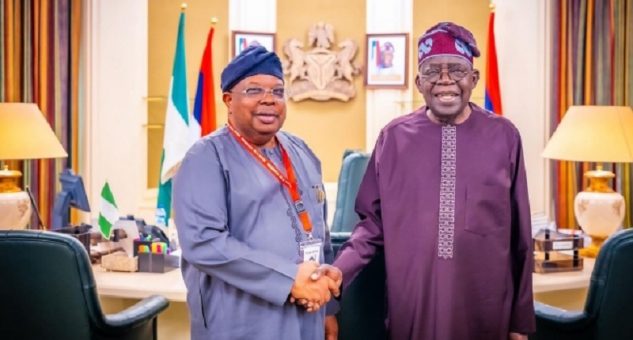
That balance is central to President Bola Tinubu administration’s strategy of using gas not just for export earnings, but as a catalyst for industrialisation, power generation, and household energy access.
Opportunity, not yet a breakthrough
Taken together, the signals suggest Nigeria’s gas sector is no longer stuck in policy limbo. Macro reforms, regulatory clarity, and targeted financing are beginning to align with global market realities.
However, the window is narrow. Investor confidence remains fragile, infrastructure delivery timelines are critical, and governance standards among operators will increasingly determine who attracts capital and who does not.
Nigeria’s gas revival, if it materialises, will not be driven by rhetoric or reserves alone but by whether the country can sustain macro stability, execute reforms, and present itself as a reliable partner in an increasingly uncertain global energy landscape. EFA