





20 Years After, Can Chinese Deal Revive Nigeria’s Refineries?
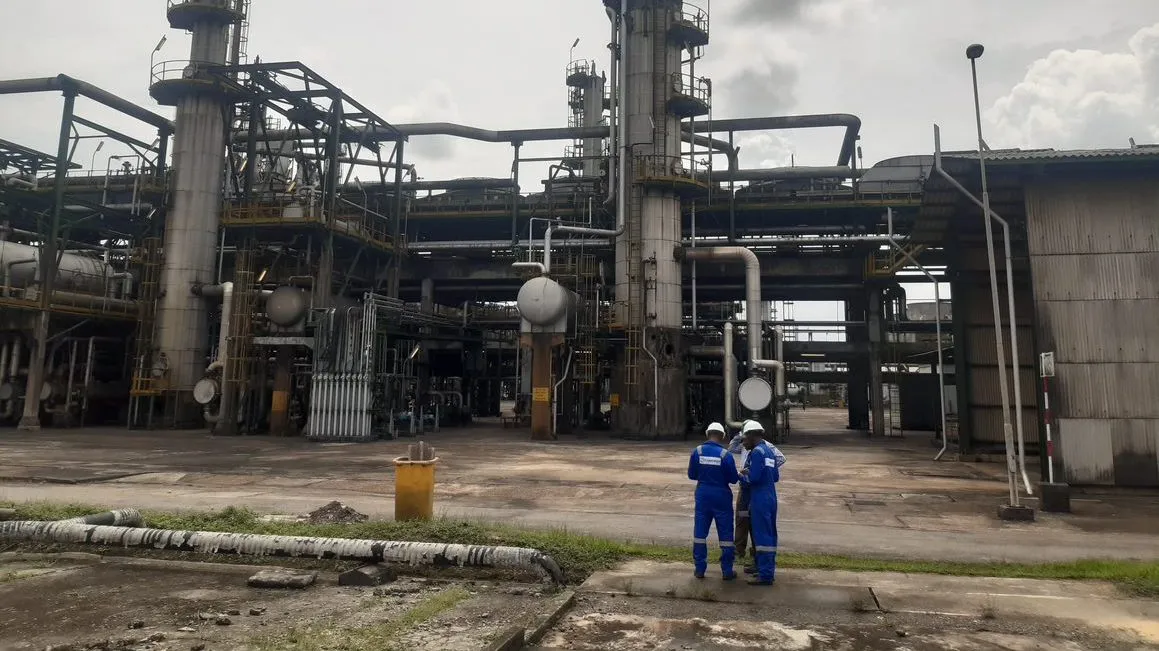
Nigeria’s latest attempt to revive its long-troubled refineries in a partnership with two Chinese companies has been met with deep skepticism from critics and energy experts.
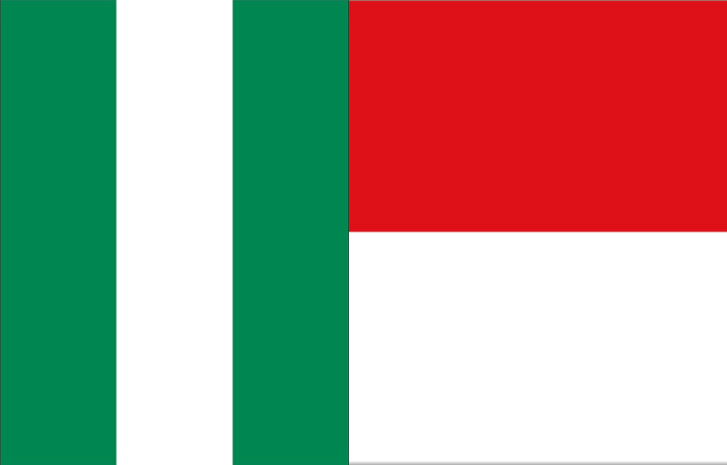
The state-owned energy company Nigerian National Petroleum Company Limited (NNPCL) recently signed a Memorandum of Understanding with Hong Kong-listed Sanjiang Chemical Company Limited and Xingcheng (Fuzhou) Industrial Park Operation and Management Co. Ltd to rehabilitate and operate the Port Harcourt and Warri refineries.
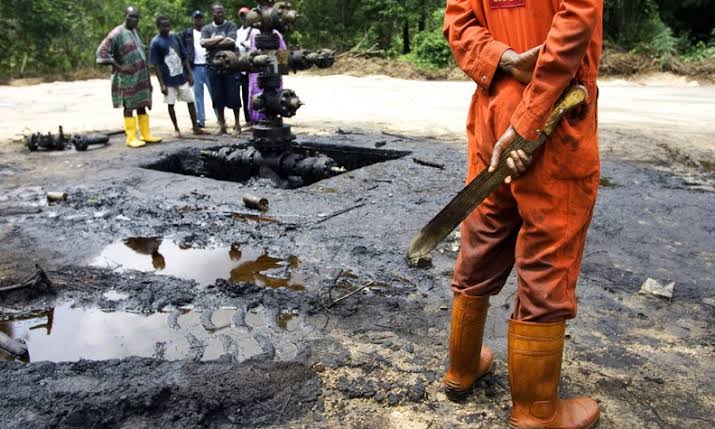
The agreement, which has now become controversial, is one of multiple attempts to revive four state-owned refineries across the countries in the last two decades. Despite being moribund for the most part of those years, the facilities have gulped more than $2.5 billion in rehabilitation expenses, including $1.5 billion approved for the Port Harcourt refinery alone.
Critics including Former Vice President Atiku Abubakar have publicly questioned whether the companies possess the technical expertise or financial capacity required to handle two of Africa’s most complex refinery assets.
Atiku described the arrangement as “another dangerous gamble with Nigeria’s economic future,” accusing the Tinubu administration of pursuing opaque agreements with questionable technical partners.
Who Are the Chinese Firms?
Much of the controversy centres on the backgrounds of the two Chinese companies.
Sanjiang Chemical Company Limited, founded in 2003 and listed in Hong Kong, is primarily a petrochemical producer specialising in ethylene oxide, surfactants and methanol-to-olefins processing.
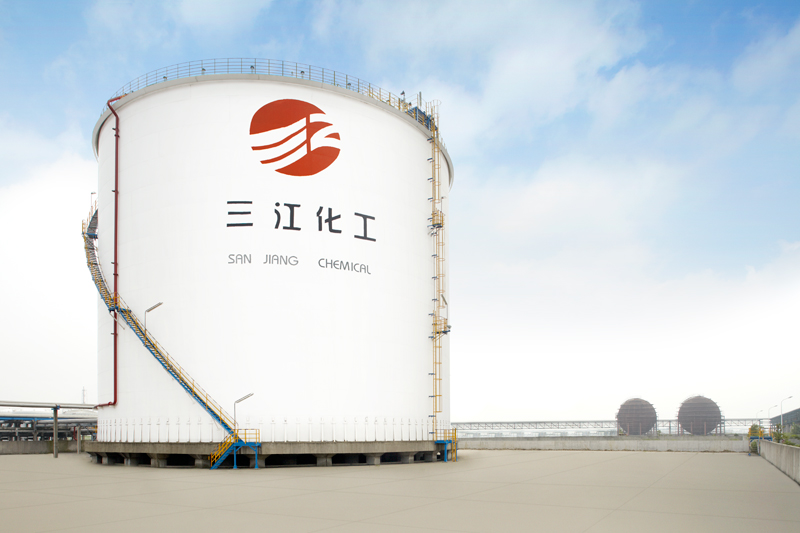
NNPCL has defended the partnership by arguing that modern refineries are increasingly integrated with petrochemical operations. According to the company, Sanjiang’s expertise in converting refinery byproducts into higher-value chemicals could support long-term refinery sustainability.
Critics, however, insist that petrochemical production is fundamentally different from rehabilitating and operating large-scale crude oil refineries.
“There is no publicly available evidence anywhere in the world showing that Sanjiang has ever built, operated, or managed a full-scale crude oil refinery,” Atiku said.
Former president of the Organised Private Sector of Nigeria, Dele Oye, also questioned the expertise of Sanjiang. “Sanjiang Chemical is not an EPC company. It is not an engineering company. They are into chemicals. They have never run any refinery. They have never rehabilitated one,” he said in an interview with Arise TV.
Xingcheng, the second company, is a real estate company specialising in industrial parks, raising doubts on its connection to the oil & gas sector.
Beyond technical capability, the financial strength of the Chinese firms has also come under scrutiny. For instance, Atiku referenced the declining profitability and short-term debt exposure of Sanjiang, asking how a company already facing financial pressure could shoulder the burden of reviving Nigeria’s distressed refineries.
The Dangote Factor
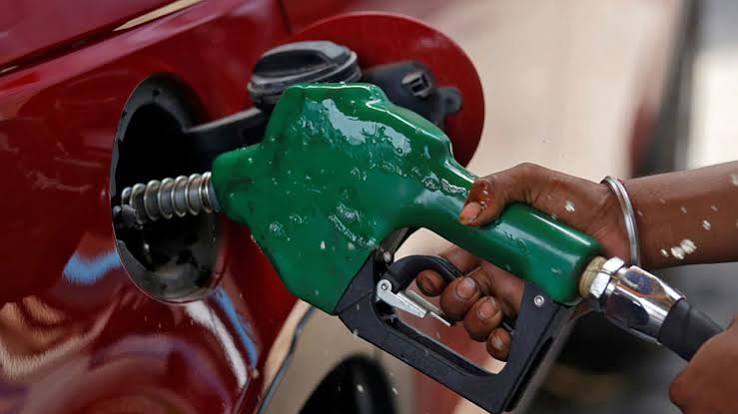
The debate over the Chinese partnership comes at a time when the 650,000 barrels-per-day Dangote Refinery has already begun supplying petrol, diesel and aviation fuel to the Nigerian market while exporting refined products abroad.
Its emergence, some experts said, has fundamentally altered the economics of Nigeria’s refining sector. For decades, the government justified refinery rehabilitation as essential for energy security and reducing fuel imports. But according to experts, Dangote’s operations have already significantly reduced Nigeria’s dependence on imported petrol.
This has raised difficult questions about whether continued investment in aging state-owned refineries still makes economic sense. “You have Dangote already meeting domestic PMS demand and exporting surplus,” Energy economist Kelvin Emmanuel said. “Why is NNPC still pouring money into 1970s-vintage assets instead of focusing on gas and modular refineries?
Can the Deal Work?
The answer depends largely on the structure of the partnership and the seriousness of its execution.
If the Chinese firms are expected to provide financing, operational expertise and long-term management capacity, then their technical and financial credentials will become critical.
There is also the possibility that the NNPCL is attempting to leverage broader Chinese industrial networks rather than relying solely on the individual expertise of the two firms.
China possesses some of the world’s largest state-owned energy companies, including Sinopec and PetroChina, both of which have extensive refining experience. Critics themselves have suggested that a government-to-government arrangement involving major Chinese state energy firms would likely inspire greater confidence.
Yet even that may not guarantee success.
Nigeria’s refinery crisis has never been solely about foreign partners. Multiple international contractors, local operators and successive governments have all failed to solve the same underlying structural problems.
That history suggests that governance, accountability and operational discipline may matter just as much as technical expertise.
Whether the Chinese partnership becomes the long-awaited breakthrough or another expensive disappointment will depend on transparency, technical execution and the government’s willingness to confront the deeper structural problems that have crippled Nigeria’s refineries for decades.